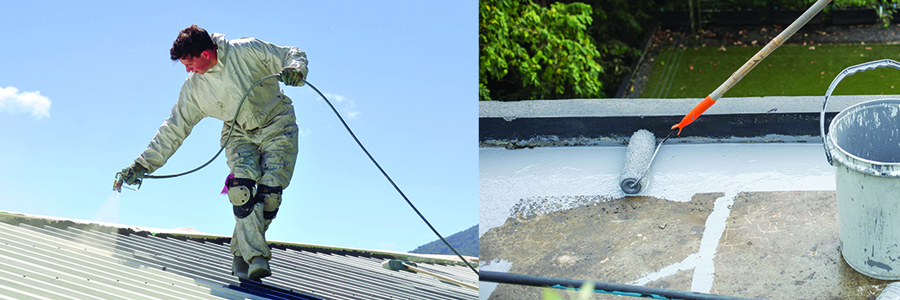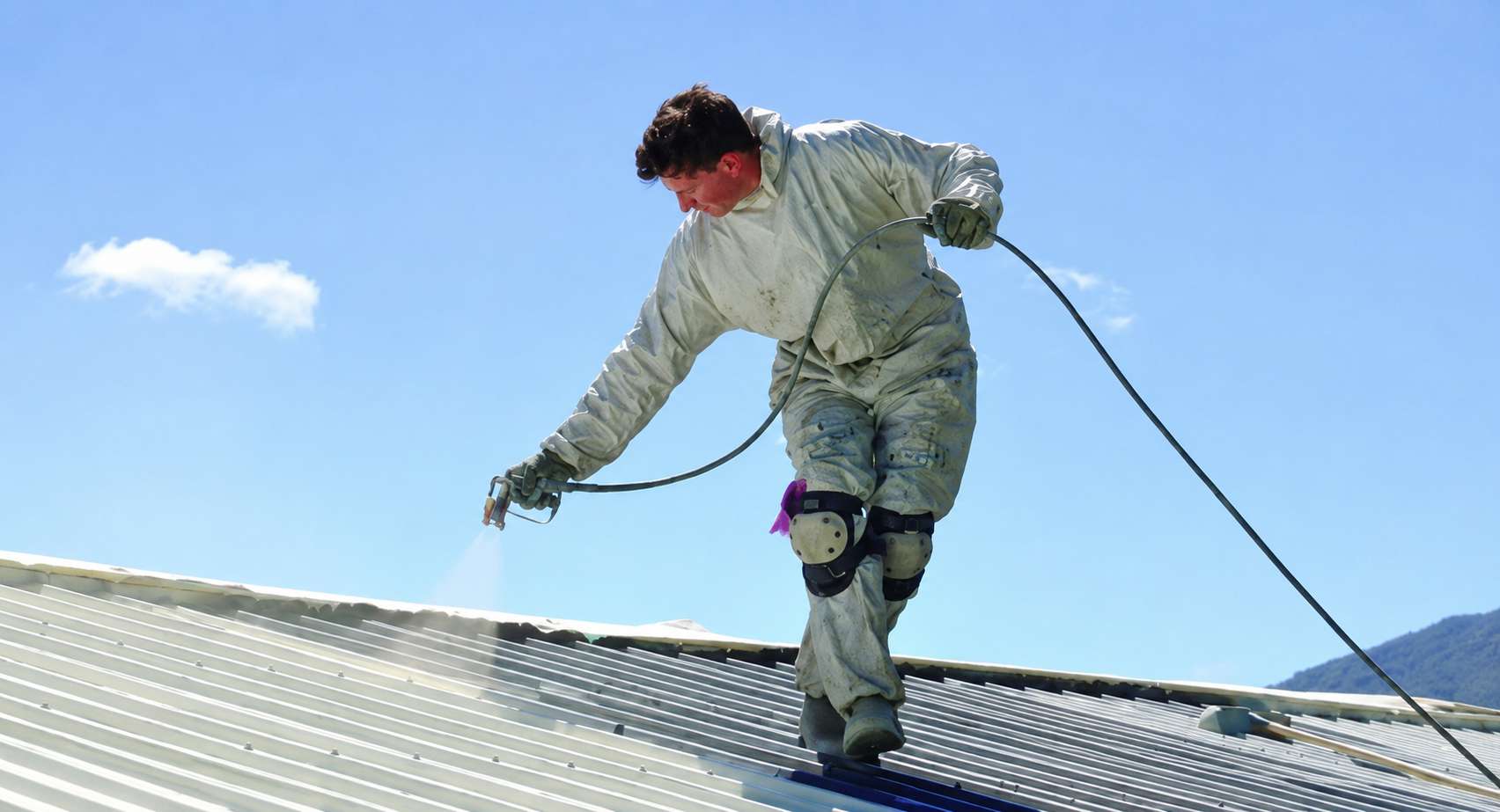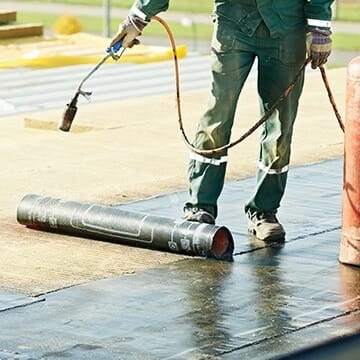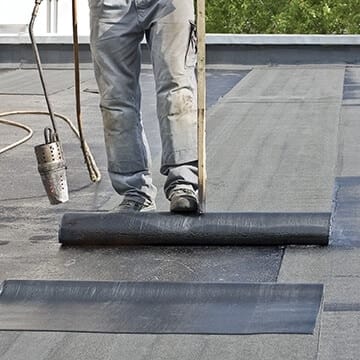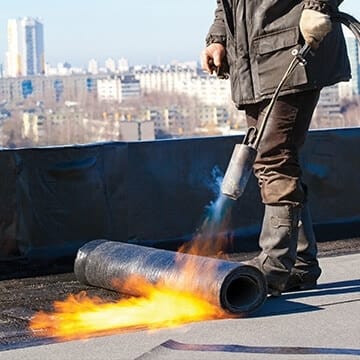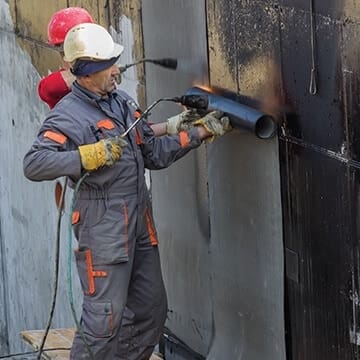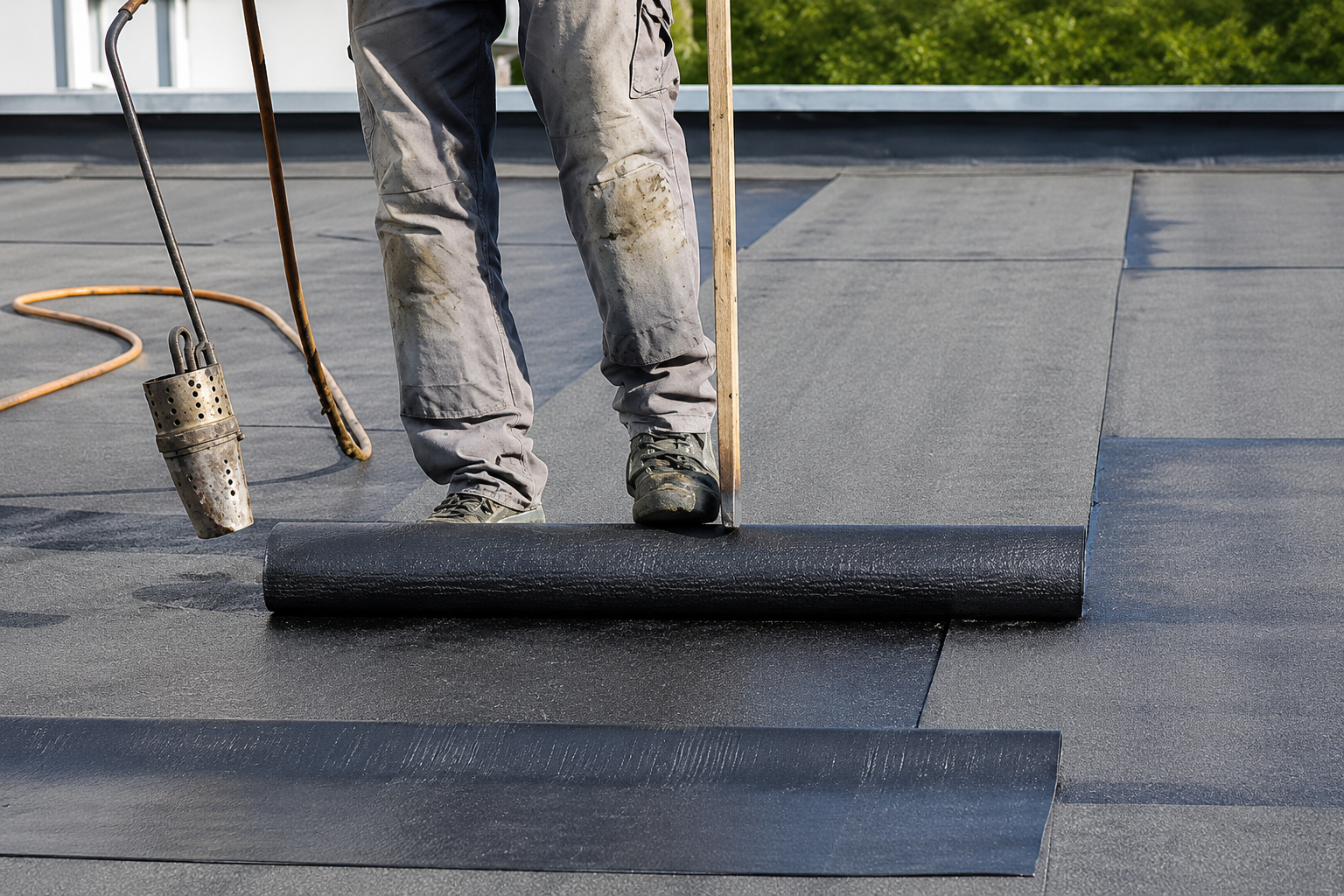

The key differences between APP and SBS lie in their polymer structure, performance characteristics, and application areas. APP (Atactic Polypropylene) modified membrane belongs to the plastomeric-modified bitumen group. With its high heat resistance and UV-stable properties, it is generally preferred for terraces and roofs. SBS (Styrene-Butadiene-Styrene) modified membranes, on the other hand, belong to the elastomeric-modified bitumen group and, unlike APP membrane, offer flexibility and cold-bending resistance down to -20°C, delivering superior performance in very cold climates and in foundation-basement and expansion joint details where structural movement is significant.
In this article prepared by Baumerk, construction chemicals specialist, you can learn all the details about the differences between APP and SBS membranes from the content we have prepared.
Differences Between APP and SBS Membrane
Both APP and SBS modified membranes are polymer-modified bitumen waterproofing sheets. That said, APP modified membranes, with their plastomeric structure, offer high resistance to UV rays. SBS modified membranes stand out thanks to their synthetic rubber structure, which allows them to retain flexibility even in extremely cold weather, along with high elongation and the ability to tolerate structural movement.
You can find the key differences between APP and SBS in the table below:
| Property | APP Modified Membrane | SBS Modified Membrane |
|---|---|---|
| Polymer Structure | Plastomeric (Atactic Polypropylene) | Elastomeric (Styrene-Butadiene-Styrene) |
| High-Temperature Resistance (Flow) | Excellent (≥ +120°C / +130°C) | Moderate–Good (+100°C / +110°C) |
| Cold Flexibility | Standard (Typically -5°C to -10°C) | Superior (Typically -15°C to -20°C / -25°C) |
| Elasticity | Rigid-Plastic (High shape retention) | Excellent Rubber Elasticity (High recovery) |
| UV Resistance | Very High (Resistant to sun exposure) | Moderate (Mineral granule or aluminum facing recommended) |
| Application Method | Torch-applied (heat-welded) | Torch-applied, cold adhesive, or self-adhesive |
| Ideal Climate | Hot and Temperate Climates | Very Cold and Continental Climates |
As the table shows, the fundamental difference between APP and SBS membranes lies in the type of polymer used to modify the bitumen and the properties that polymer imparts. This difference in chemical composition is the primary factor determining the products' heat tolerance, flexibility, and ideal application areas.
Which Membrane Should Be Used in Which Waterproofing Project?
Because APP and SBS membranes have different polymer structures, they are suited to different application areas.
- Open Roofs and Terraces: Terrace roofs exposed to intense sunlight and high surface temperatures during summer should use APP-modified membranes, which better retain their shape and performance at high temperatures.
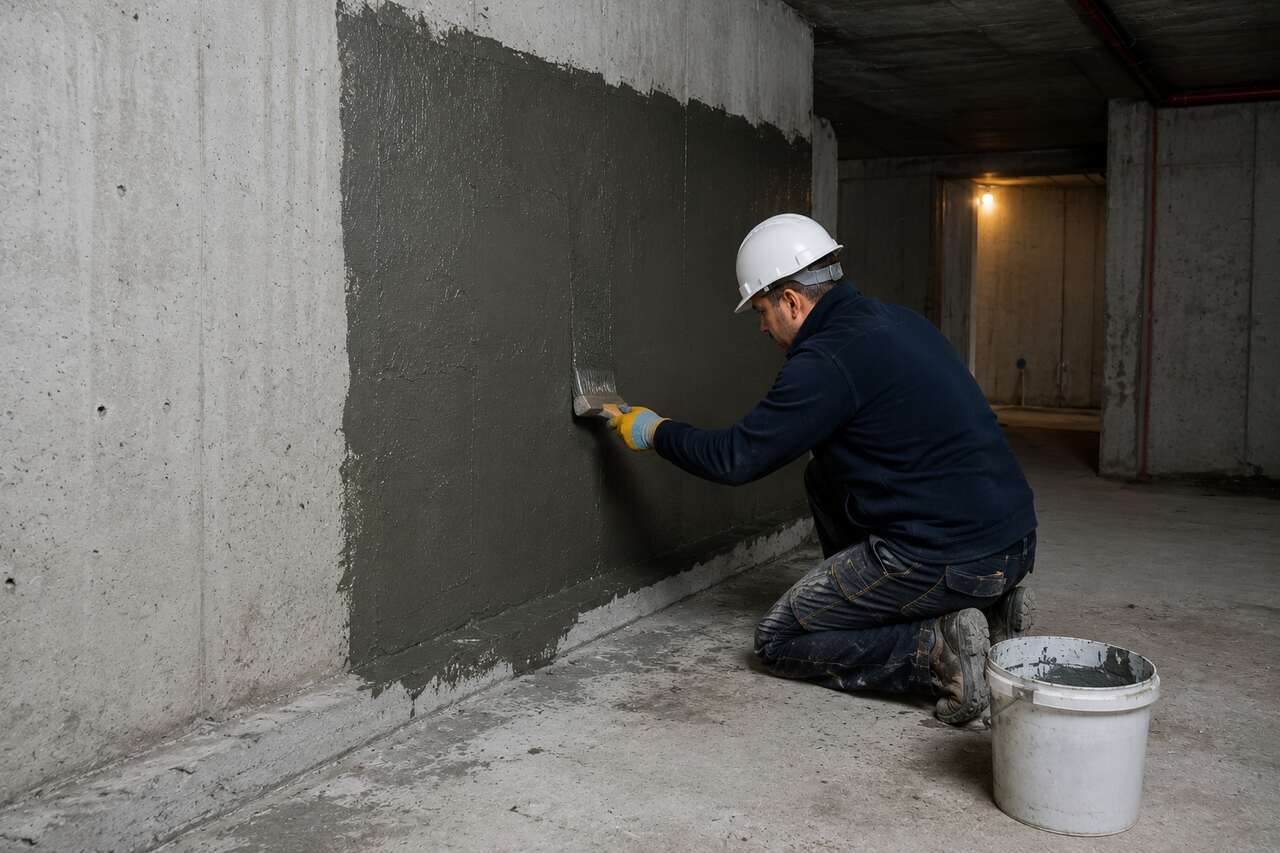
- Foundation and Basement Walls: Foundations subject to significant settlement movement and ground stress should use SBS-modified membranes, which offer high flexibility and can tolerate structural movement and stress.
- Bridges and Viaducts: Since hot asphalt will be poured on top and the surface will be subject to high dynamic loads, specialized APP-modified bridge/viaduct membranes should be selected.
- Green Roofs and Landscaped Areas: To prevent plant roots from damaging the waterproofing layer, APP or SBS Anti-Root membranes containing root-inhibiting chemicals are more suitable.
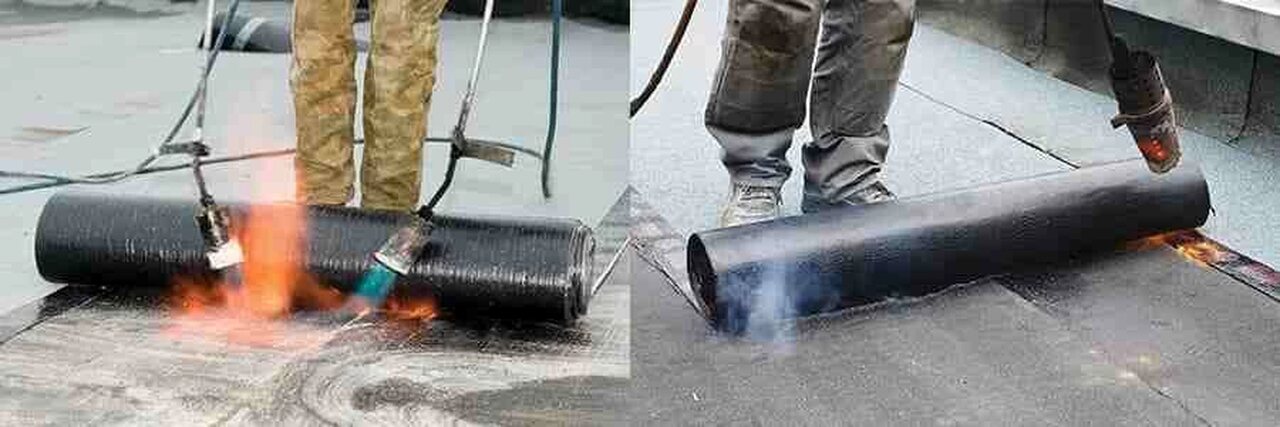
Baumerk APP and SBS Modified Membranes
Under the Baumerk brand, you can find both APP and SBS modified membrane products. These products deliver higher-performance insulation suited to the substrate of the area where they are applied.
| Product Group | Reinforcement Type | Polymer Additive | Cold Flexibility | Key Application Areas |
|---|---|---|---|---|
| Baumerk APP Modified Membranes | Fiberglass / Polyester Felt | APP (Atactic Polypropylene) | -5°C / -10°C | Terraces, sloped roofs, balconies, and wet areas |
| Baumerk SBS Modified Membranes | Fiberglass / Polyester Felt | SBS (Styrene-Butadiene-Styrene) | -15°C / -20°C | Cold climates, foundation-basement wrapping, water tanks, ponds, swimming and ornamental pools |
| Baumerk Anti-Root Membrane | Polyester Felt | APP or SBS + Root Inhibitor | -10°C / -15°C | Roof gardens, green roofs, and below-grade waterproofing |
| Baumerk Bridge and Viaduct Membrane | High-Strength Polyester Felt | Specially Modified APP | -10°C / -15°C | Bridge decks, viaducts, parking structure roofs |
| Baumerk Self-Adhesive Membrane | Polyester Felt / Fiberglass | Flexible SBS with Specialty Adhesive | Down to -20°C | Sloped concrete and timber roofs, over XPS/EPS, detail work, sensitive areas |
Selection Guide: Which Waterproofing Membrane Should Be Chosen?
Choosing the right membrane depends on several criteria: climate conditions, structural movement, insulation budget, and the characteristics of the application area. Details on each criterion are below:
- Climate and Weather Conditions: If your region experiences harsh, very cold winters, choose SBS; if summers are hot and dry, choose an APP-modified membrane.
- Structural Movement and Load Level: For structures at risk of expansion and settlement, highly flexible SBS membranes with a polyester felt reinforcement are recommended.
- Cost and Budget Balance: APP membranes offer more economical performance for standard terraces and roofs. In challenging ground conditions and cold climates, SBS is a safer long-term investment.
- Project Type and Detailing: Green roofs should always use root-inhibiting membranes, while areas where open flame use is restricted should favor self-adhesive sheets.
To determine the most suitable polymer-modified bitumen membrane to extend the life of your building, and for detail solutions and other technical information, feel free to contact the Baumerk team. You can also explore our project-specific waterproofing solutions on the Baumerk Waterproofing Membranes page.