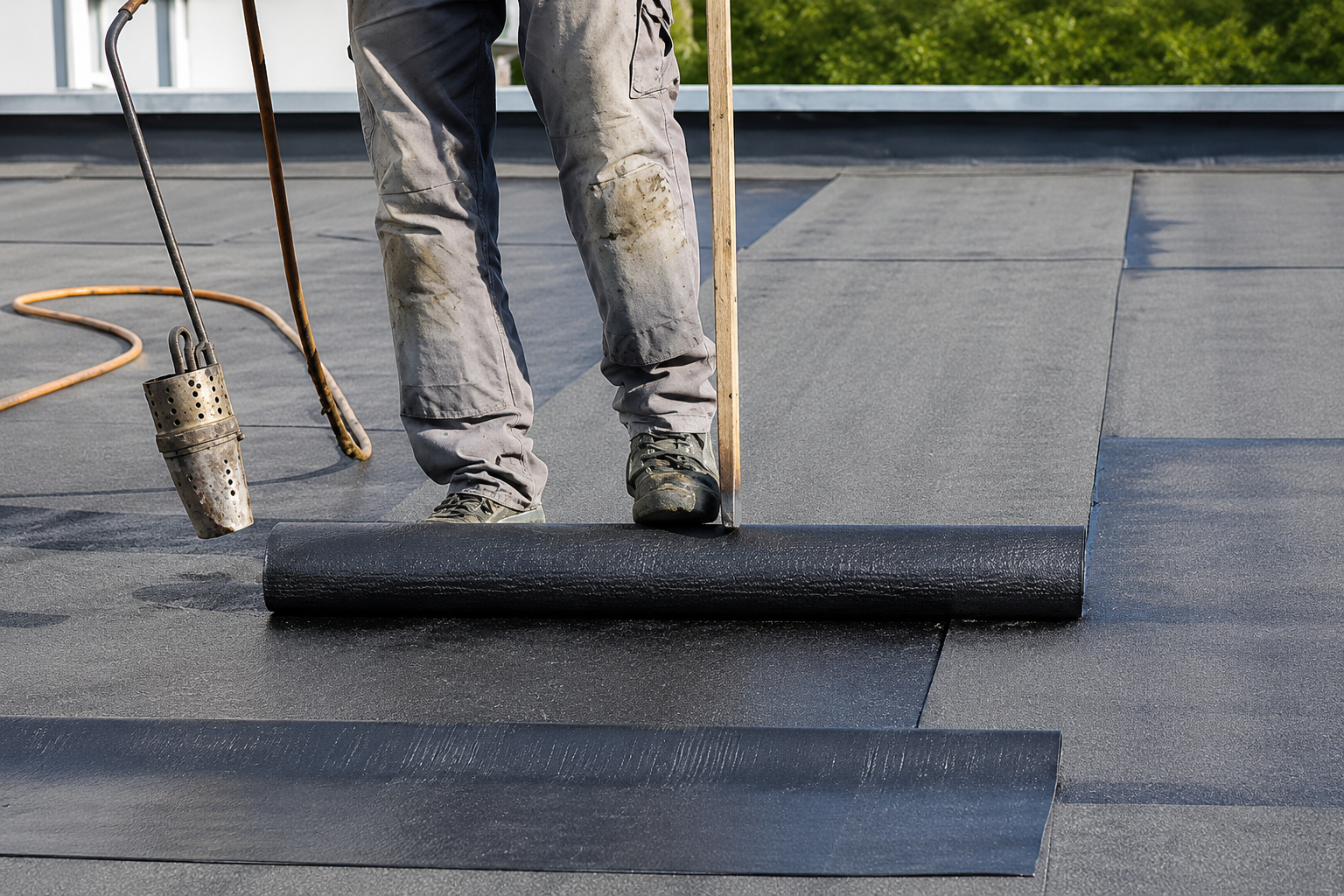

Polyurethane - one of the most efficient waterproofing materials - stands out for its durable structure, fast curing, and its ability to be applied at high temperatures. Thanks to its high elasticity, polyurethane waterproofing accommodates structural movement and delivers strong crack-bridging performance. Because it is applied in liquid form, it creates a seamless (jointless) membrane and provides uninterrupted waterproofing even on intricate, detailed surfaces where bituminous membranes are difficult to install.
With polyurethane waterproofing, areas exposed to water ingress - such as terraces, roofs, foundations, and retaining walls - are covered with a continuous, durable protective shield. Free of any joints, polyurethane waterproofing increases a structure's resistance to water while preventing water-driven destructive effects (corrosion, concrete degradation, and mold and fungus growth).
What Is Polyurethane Waterproofing?
Polyurethane waterproofing is a modern waterproofing solution that forms a seamless, flexible, and high-strength membrane layer on the surface to which it is applied. Applied as a liquid and transforming into a watertight, monolithic structure once cured, polyurethane-based waterproofing delivers complete watertightness at every point of a building that comes into contact with water.
Owing to its chemical composition, this system is resistant to both UV radiation and thermal shock, making it one of the flexible, coating-based waterproofing types developed to safeguard the structural integrity of buildings.
For more detailed information on polyurethane's fundamental chemical structure and raw-material properties - a frequent question in the industry - you can review our article titled "What Is Polyurethane?"
What Does Polyurethane Waterproofing Do?
Insufficient waterproofing in structures leads to corrosion, loss of concrete strength, and, over the long term, a shortened building service life. Polyurethane coating is used precisely at this point to reduce to zero the risk of water leakage through the joints of traditional waterproofing materials (such as bituminous membranes).
The main reasons polyurethane-based waterproofing is required are as follows:
High Elasticity and Crack-Bridging Capability: It tolerates structural movement and settlement. It preserves the continuity of the waterproofing layer even against hairline cracks that may develop on the surface over time.
Seamless Membrane Formation: Because it is applied as a liquid, it forms no joints. This lowers the risk of leakage that could originate at joints and creates an uninterrupted waterproofing layer across the entire surface.
Long-Lasting Protection: It offers full resistance to chemicals, plant roots, and standing water, providing effective waterproofing for many years.
How Is Polyurethane Waterproofing Applied?
For a long-lasting, successful polyurethane-based application, each of the following steps must be carried out carefully:
- The substrate must be smooth, dry, clean, and free of grease.
- Existing cracks and dynamic joints should first be filled and repaired with a highly elastic polyurethane sealant (mastic) to preserve structural integrity.
- An epoxy- or polyurethane-based primer is applied to balance the surface's absorbency and ensure the polyurethane coating bonds perfectly to the concrete.
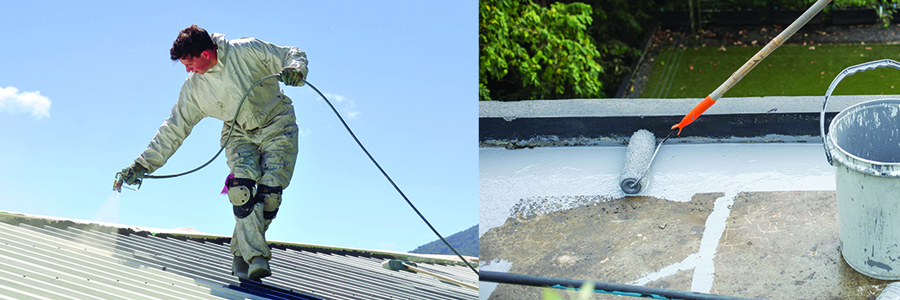
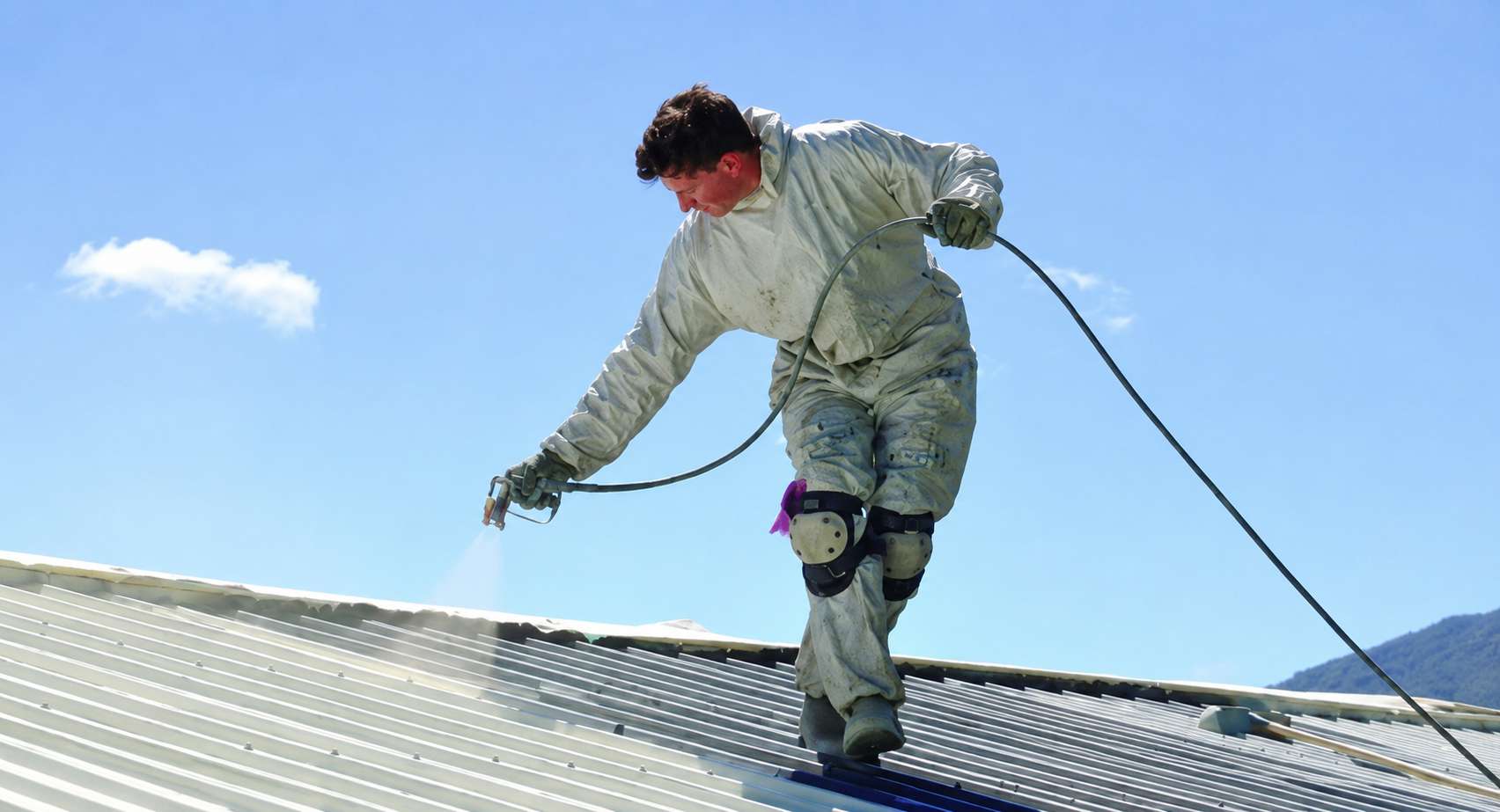
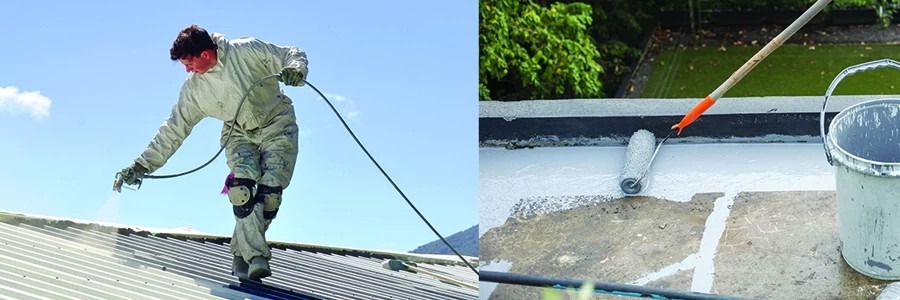
- Once the primer has finished curing, the selected polyurethane product is spread homogeneously over the surface using a brush, roller, or spray equipment.
- For ideal performance, no more than 24 hours should elapse between coats.
- After application is complete, a defined curing period is required for the material to reach its full mechanical and chemical resistance.
- If the area will be continuously exposed to UV radiation, an aliphatic protective topcoat can be applied over it to prevent color fading and deformation.
The number of coats and the coating thickness are determined by the water pressure and foot traffic the area will be subjected to. As a rule, at least 2 coats are applied on standard terraces and roofs, and a total dry film thickness of between 1.2 mm and 2 mm is technically mandatory.
Common Application Mistakes in Polyurethane Waterproofing
The most common mistake in polyurethane-based waterproofing is failing to comply with the product's application instructions and the required ambient conditions. To avoid costly damage and achieve a professional finish, you should always review the specified application steps. The key application mistakes site teams must avoid are as follows:
Applying to a Damp Surface: Applications carried out before the moisture within the concrete has been released cause blisters to form beneath the waterproofing layer over time. Before application, the surface can be checked with a moisture meter and, where necessary, moisture-barrier primers can be preferred.
Exceeding the Waiting Time Between Coats: Exceeding the maximum overcoat time specified by the manufacturer can adversely affect intercoat adhesion. For this reason, the recoating windows stated in the technical data sheet (TDS) must be strictly observed.
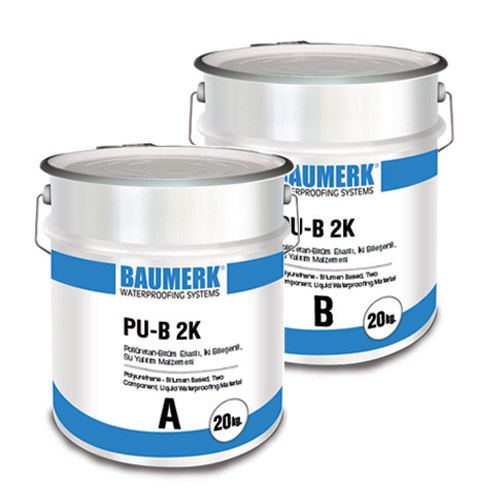
Inadequate Mixing: In two-component (2K) products, failing to blend the components sufficiently and homogeneously can cause incomplete curing and performance loss in certain areas of the material. The components must be mixed with a low-speed mixer, at the mixing time and speed stated in the manufacturer's technical data sheet, until a homogeneous consistency is achieved.
Where Is Polyurethane-Based Waterproofing Applied?
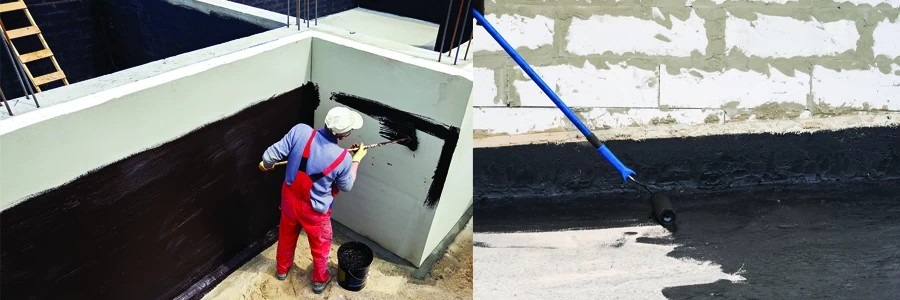
Because polyurethane-based materials adhere well to large surfaces, they are preferred across most areas of a structure. Thanks to their strong adhesion, these materials can be applied to both vertical and horizontal surfaces. Moreover, owing to their liquid nature, they ensure watertightness even at the most challenging corner turns and detail points. The areas where polyurethane-based waterproofing is applied include:
Roofs and Terraces: They provide superior protection in areas continuously exposed to sunlight (UV) and thermal cycling.
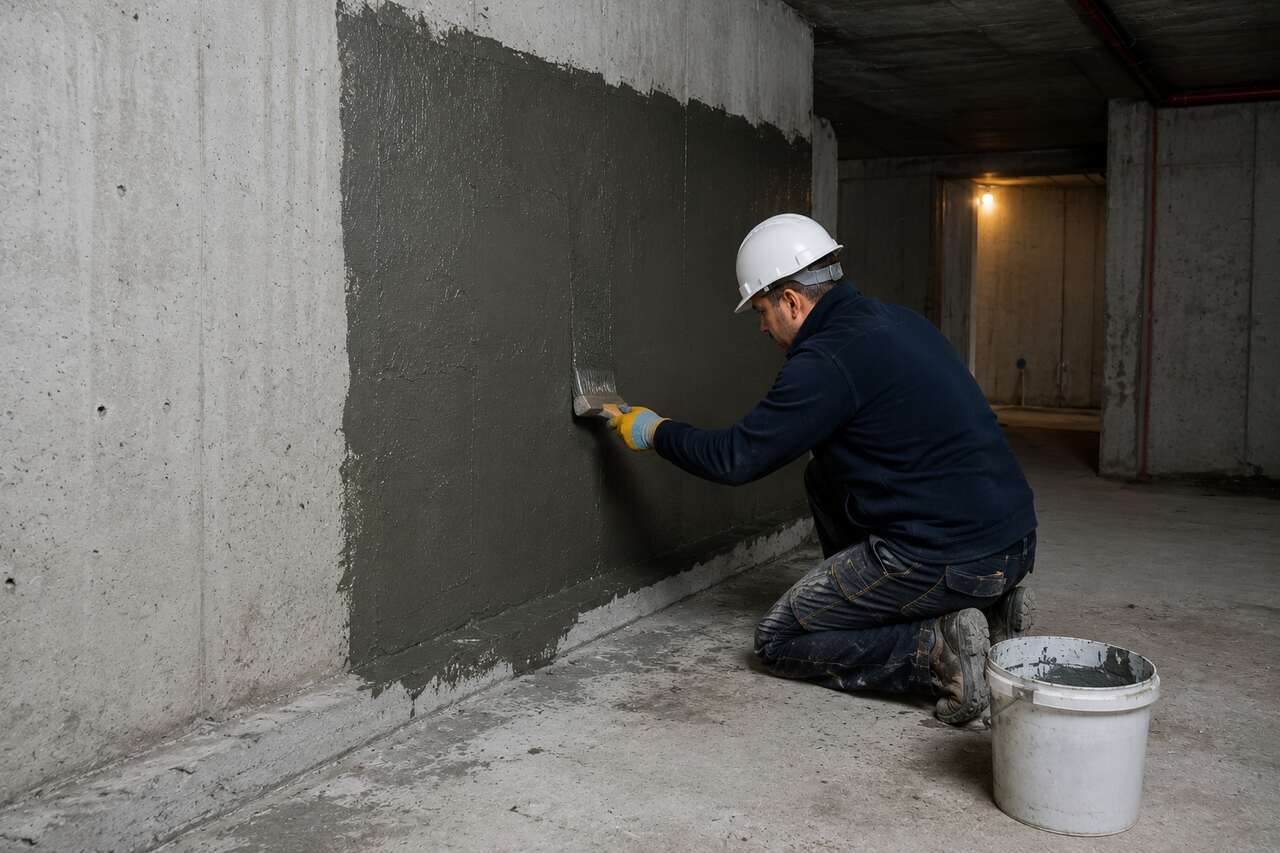
Basements and Foundation Retaining Walls: They resist aggressive below-grade water and microorganisms.
Water Tanks and Pools: Products certified as suitable for potable water deliver watertightness without compromising water quality.
Bridges, Viaducts, and Parking Structures: They offer high abrasion resistance in areas subject to pedestrian or vehicle traffic loads.
Choosing the Right Product for Polyurethane Waterproofing
To move forward flawlessly in waterproofing projects, selecting products with the correct chemical formulation is critically important. Baumerk, a construction chemicals expert, offers dedicated polyurethane solutions for every need:
|
Product Name |
Product Type |
Key Feature |
Best-Suited Application Areas |
|
Two-Component (2K), Bitumen-Modified |
Excellent adhesion and high elasticity, with crack-bridging capability |
Foundation retaining walls, basements, and terraces to be screeded/covered over. |
|
|
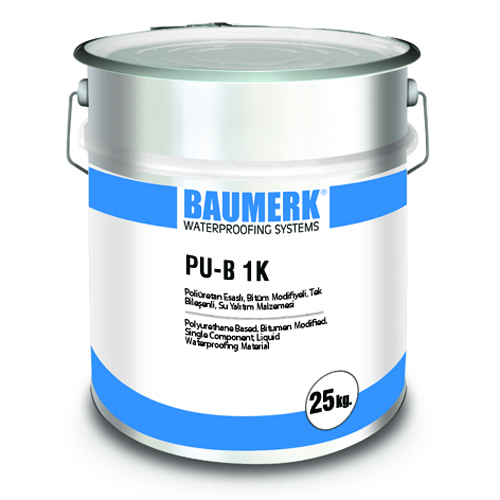
One-Component (1K), Bitumen-Modified Polyurethane |
High solids content, bridges hairline cracks, superior adhesion even on aged surfaces |
Terrace roofs, gutters and channels, cold storage rooms, swimming pools. |
|
|
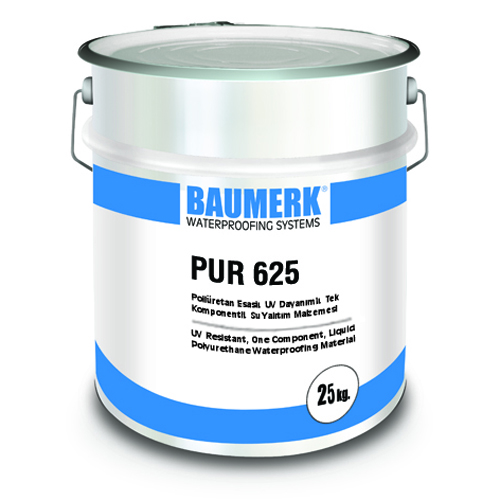
One-Component (1K), UV-Resistant Polyurethane |
High UV resistance and long service life; suitable for heavy traffic after curing |
Terrace roofs, gutter/channel/valley systems, protective topcoat for polyurethane foam. |
|
|
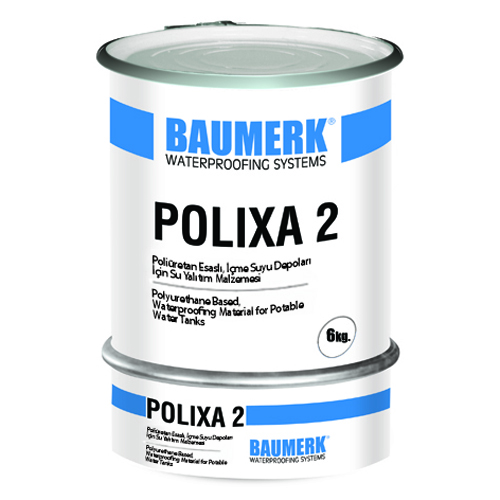
Two-Component (2K), Solvent-Free Polyurethane |
Suitable for potable water tanks, non-toxic, high abrasion and impact resistance |
Potable water tanks, concrete/marble/metal surfaces, terraces exposed to light vehicle and foot traffic. |
To identify the most suitable material and product recommendations based on your project's technical requirements, you can visit our "Information About Polyurethane Waterproofing Materials" page.
Frequently Asked Questions
How long does polyurethane waterproofing last?
Applied with proper substrate preparation and the ideal coat thickness, a UV-resistant polyurethane waterproofing system can perform reliably for an average of 15–25 years over the building's service life without losing its performance.
Does polyurethane coating let water through?
No. Polyurethane coating that is applied following the correct steps and allowed to complete its curing process is entirely waterproof, because it forms a fully seamless, non-porous membrane on the surface. Thanks to its chemical bonds, it offers full resistance to standing water and constant moisture, completely preventing water leakage.
Is there a transparent polyurethane waterproofing material?
Yes. Transparent polyurethane waterproofing materials - with their UV protection, ability to bond to different surfaces, and chemical resistance - can be applied over many types of flooring. Transparent polyurethane materials that preserve the aesthetic appearance of surfaces such as ceramic, glass, and tile are also used for waterproofing.
Is certification required to apply polyurethane waterproofing?
The performance of professional waterproofing systems - particularly spray polyurethane and two-component systems - depends on the expertise of the team performing the application. To achieve the most efficient result, it is recommended that the project be carried out by expert teams trained by the manufacturer and holding an application certificate.