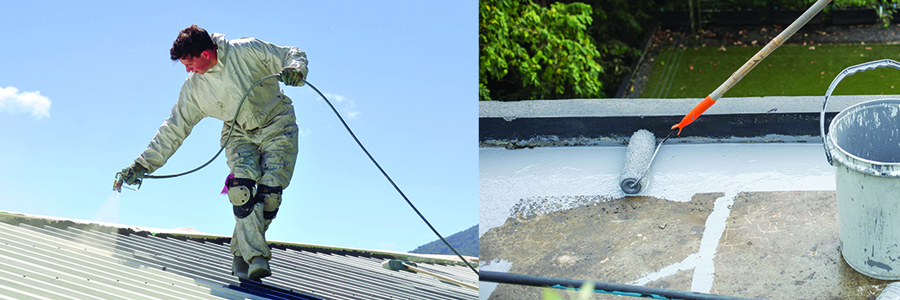

Polyurethane and polyurea are high-performance materials commonly used for waterproofing and surface coating applications. Polyurea stands out for its rapid curing time and high resistance to impact, abrasion, and chemicals, while polyurethane offers advantages such as flexibility, easier application, and lower initial cost. The right choice depends on the application area, traffic load, environmental conditions, project timeline, and budget.
Polyurethane and polyurea, two materials frequently used in waterproofing projects, are both high-performance solutions for waterproofing and coating applications. While these materials are quite similar in appearance, chemical composition, and intended use, there are notable differences between them.
5 Differences Between Polyurethane and Polyurea
The differences between polyurethane and polyurea become especially clear in terms of curing time, cost, and impact resistance. Understanding the details of both materials and selecting the right waterproofing product directly affects a project's budget, application time, and the long-term durability of the coating.
Polyurea is a durable polymer coating material formed by the reaction of a diisocyanate compound with an amine compound. Polyurethane, on the other hand, is a versatile polymer family made from polyol and isocyanate components, produced in foam, rigid, and flexible forms. The key differences between the two materials can be summarized as follows:
| Property | Polyurethane (PU) | Polyurea (PUA) |
|---|---|---|
| Curing Time | Curing can take hours. | Cures within seconds. |
| Application Method | Applied by roller, brush, and airless spray. | Applied by high-pressure hot spray. |
| Moisture Tolerance | Moderate (can be sensitive during application) | Excellent resistance to moisture |
| Abrasion Resistance | High | Excellent (heavy traffic) |
| Equipment Requirement | Low / Standard | High equipment requirement; a specialized reactor may be needed. |
1. Curing Speed
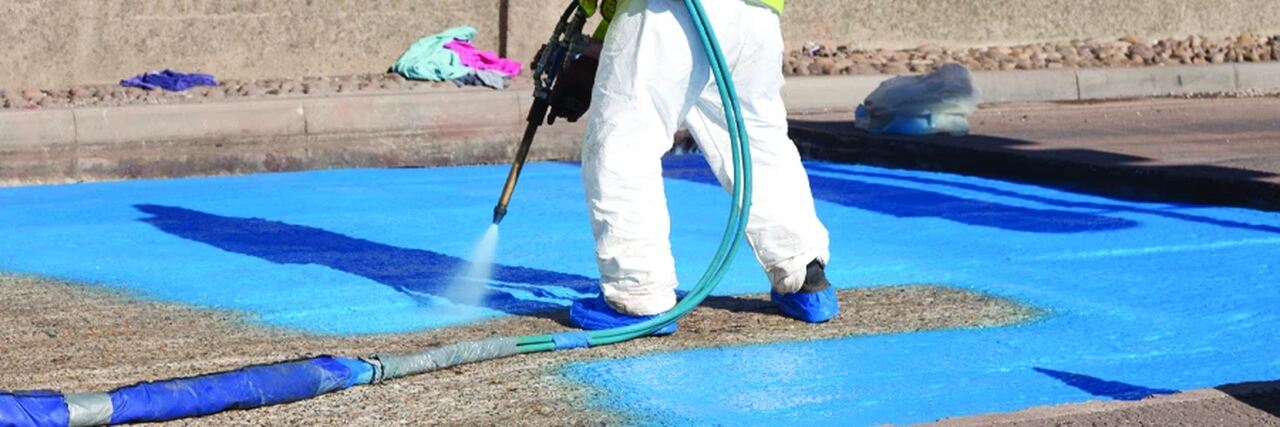
Polyurethane cures through moisture exposure or with a second component. Surface drying generally takes a few hours, while reaching full mechanical strength can take 24 to 48 hours. Polyurea reacts extremely quickly, gelling within seconds of application. It can be opened to foot traffic within minutes and reaches full mechanical and chemical performance within a few hours.
2. Moisture and Temperature Sensitivity
Polyurethane is affected by ambient moisture and temperature during application. High humidity can cause bubbling (blistering) during curing. Polyurea, by contrast, is highly tolerant of moisture and temperature fluctuations, maintaining reaction stability even in low-temperature or high-humidity environments.
3. Application Method and Equipment
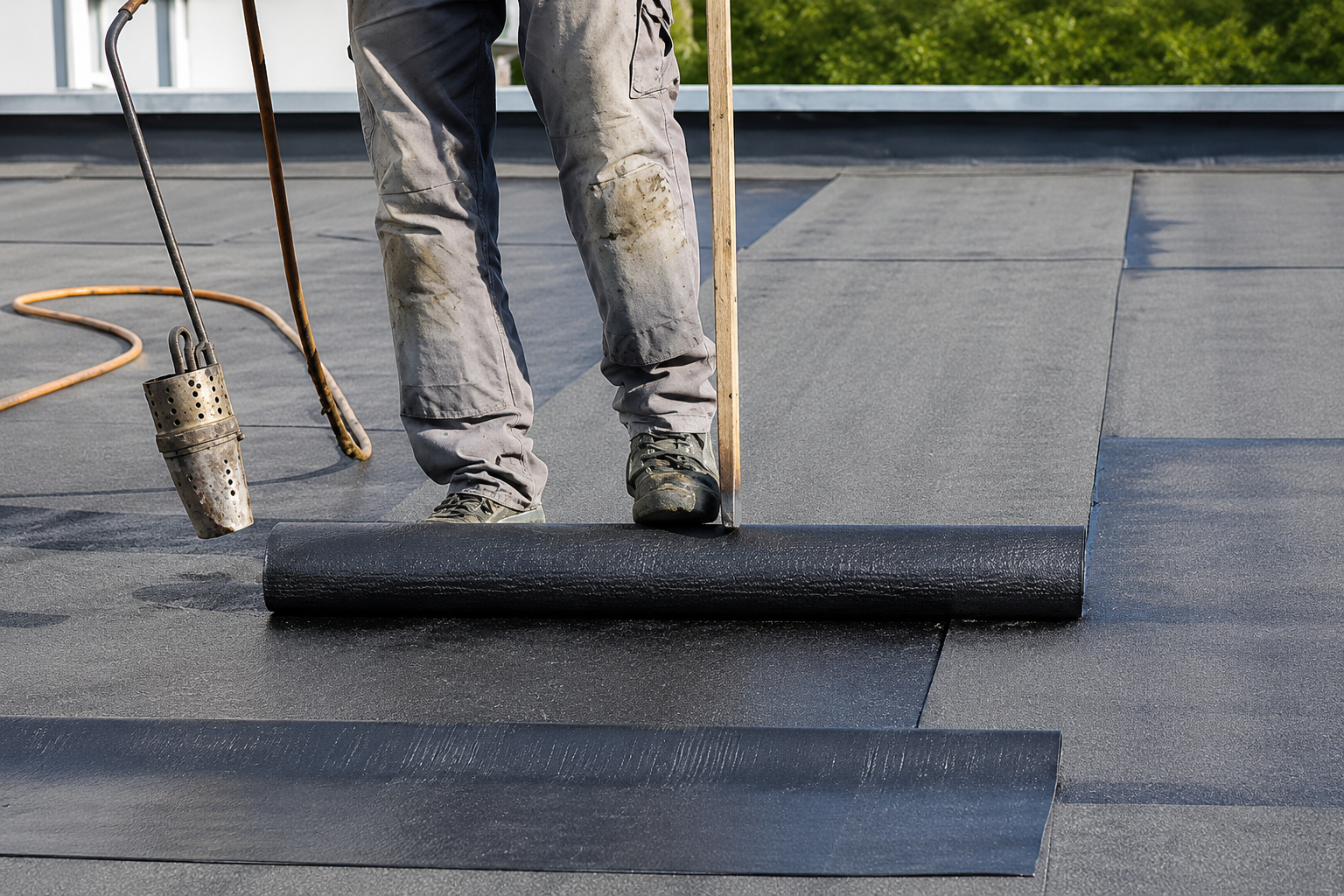
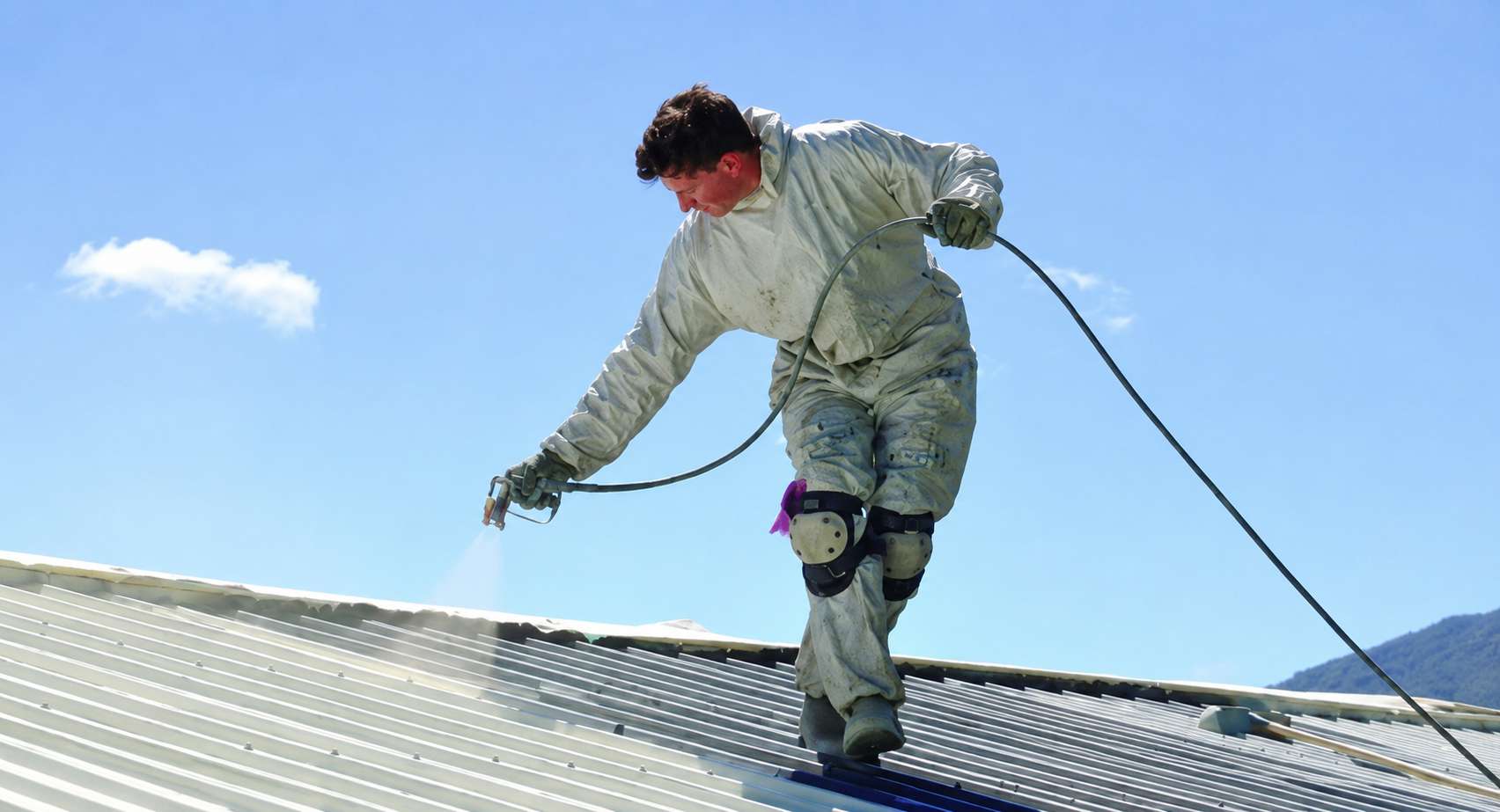
Polyurethane can be easily applied with a roller, brush, or airless spray equipment. Since it doesn't require specialized high-pressure equipment, labor costs and equipment setup are more practical. Polyurea, on the other hand, is applied using specialized heated, high-pressure, two-component spray reactors, requiring professional equipment and experienced application crews.
4. Flexibility and Crack Bridging
Polyurethane offers excellent crack-bridging performance, adapting to structural movement thanks to its high elasticity. It easily bridges cracks caused by temperature differentials, and alongside its high flexibility, it provides considerable tensile and tear strength, retaining its form even in areas subject to high mechanical stress.
Polyurea also combines high flexibility with superior tensile and tear strength. Compared to polyurethane, it has greater resistance to breaking and tearing, and it allows the material to retain its elasticity without losing its form even under heavy loads or high mechanical stress.
5. Mechanical Wear and Impact Resistance
Polyurethane is resistant to foot traffic and light vehicle traffic. Polyurea, however, is frequently preferred for industrial applications due to its high resistance to heavy vehicle traffic, forklift use, impacts, and continuous mechanical wear. Thanks to its tough, rigid structure, it significantly reduces the risk of surface deformation in areas subject to heavy mechanical stress, such as parking structures, factory floors, and loading areas.
6. Chemical and UV Resistance
Aliphatic-based polyurethane systems are highly resistant to UV rays, do not yellow, and maintain color stability. Polyurea offers high resistance to a broad range of chemical products (acids, alkaline substances, solvents, petroleum products). Aromatic types may discolor in sunlight, so they can be supported with an aliphatic topcoat in outdoor applications.
7. Surface Appearance and Detail Work
Polyurethane self-levels due to its liquid form, creating a smooth, aesthetic surface finish. Polyurea, since it cures within seconds, can build a thick layer on vertical surfaces and complex architectural details without sagging. Its surface texture may have a slight orange-peel appearance.
8. Cost
Polyurethane is a more economical option in terms of initial material and application equipment costs. Polyurea has higher equipment and raw material costs; however, it enables faster project completion, reducing labor and downtime costs.
To learn more about polyurea's properties and how it is applied in waterproofing, see our detailed guide,”What Is Polyurea? How Is Polyurea Waterproofing Applied?”
How to Choose the Right Product for Your Waterproofing Project
You can make the most efficient choice for your project by considering the following criteria:
- Areas That Need to Reopen to Traffic Quickly: Polyurea is preferred for commercial areas, bridges, highways, or factories that cannot afford production downtime, since it allows the area to reopen to foot and vehicle traffic within a few hours.
- Budget and Application Areas: Polyurethane stands out for residential terraces, balcony conversions, or small-scale waterproofing projects thanks to its ease of roller application and cost advantage.
- Heavy Traffic and Chemical Exposure Resistance: Polyurea should be preferred for parking structures, industrial floors, and chemical storage areas due to its high impact and chemical resistance.
Baumerk Polyurethane and Polyurea Waterproofing Solutions
Baumerk offers polyurethane and polyurea waterproofing solutions developed specifically for your project's needs. You can review the following products in more detail according to their application area and technical specifications, and use them with confidence for your waterproofing project:
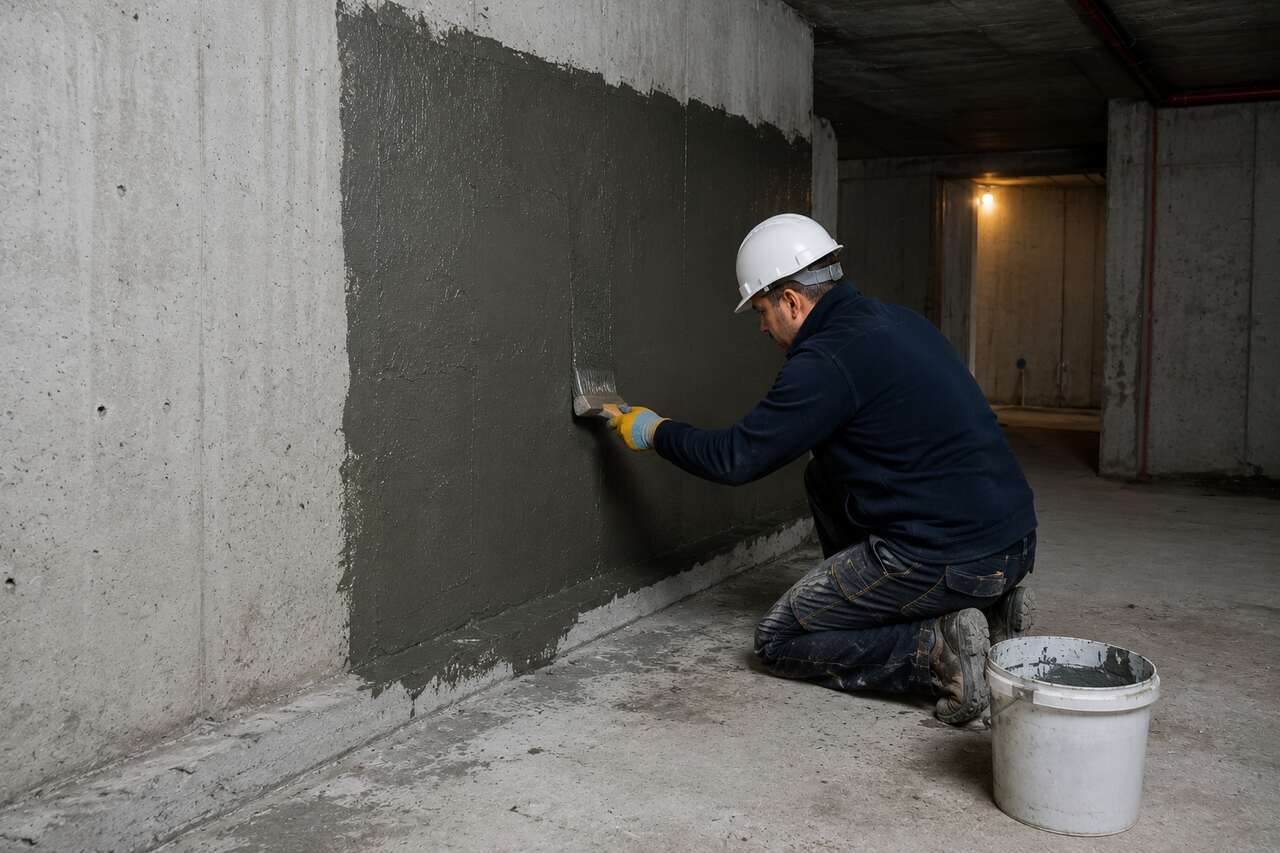
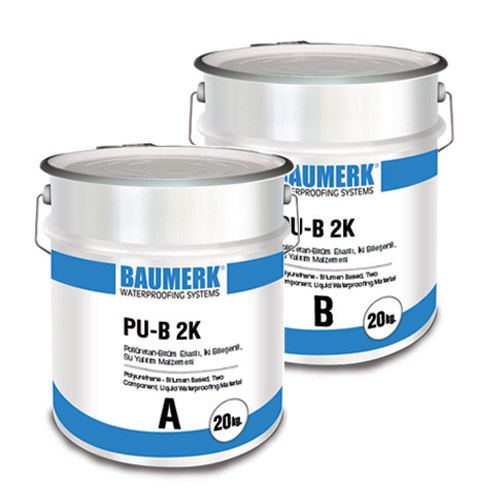
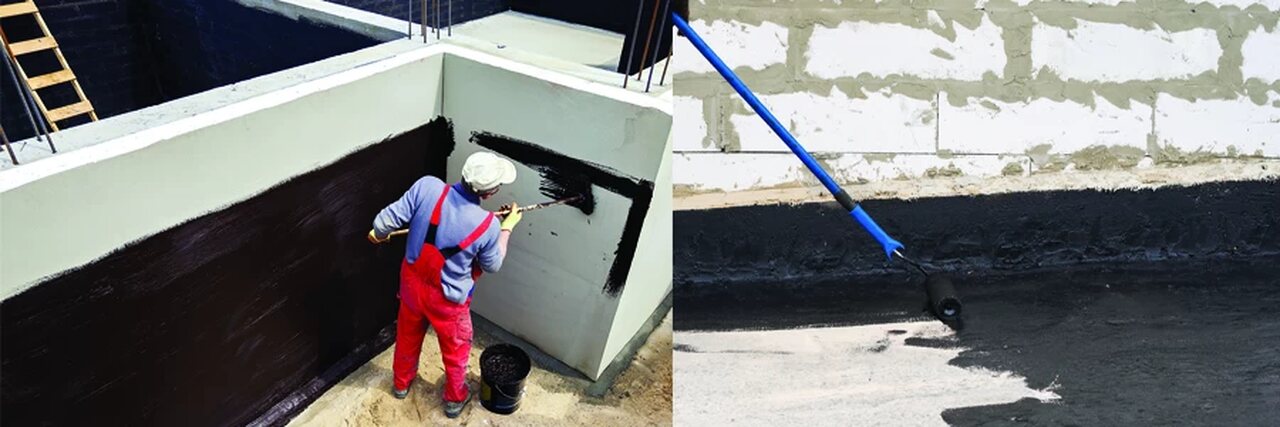
- PU-B 2K: A two-component, bitumen-modified polyurethane waterproofing material. Ideal especially for foundations, shear walls, and terraces.
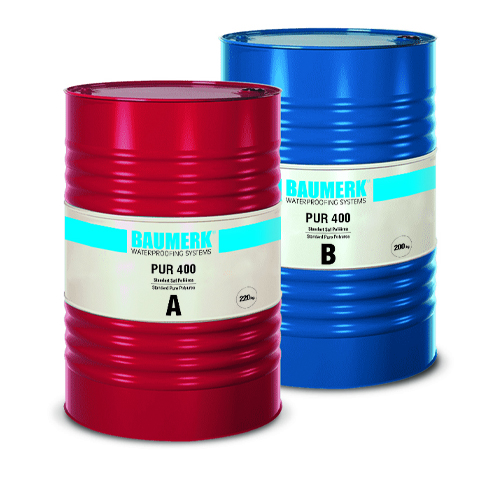
- PUR 400: A high-performance, fast-curing pure polyurea spray waterproofing system.
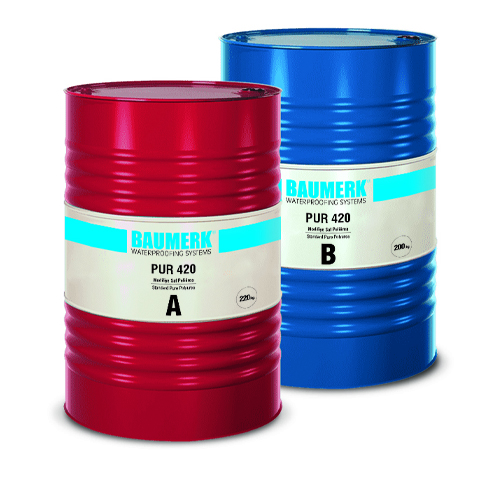
- PUR 420: A modified pure polyurea waterproofing coating.
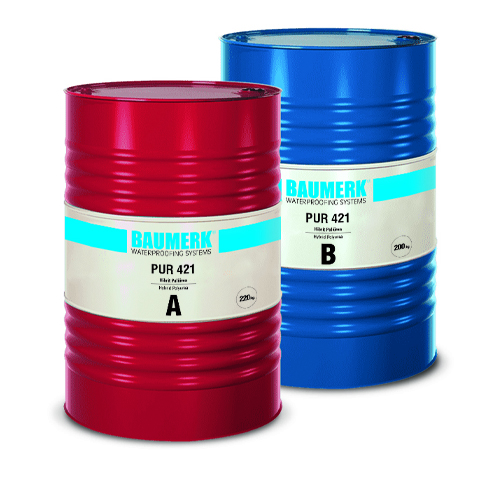
- PUR 421: A hybrid polyurea system that combines an affordable price with high performance. Applied at high pressure using heated, multi-component spray equipment.
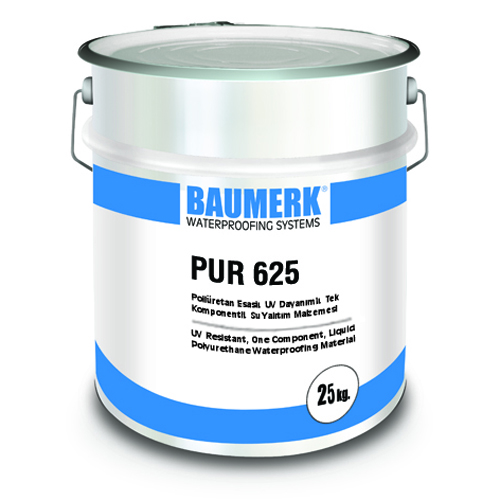
- PUR 625: A specialty polyurethane coating and waterproofing product developed for various surfaces and detail solutions.
If you need help finding the right products for your waterproofing project or want more detailed information, feel free to contact our expert team.
Can Polyurea and Polyurethane Be Used Together?
Yes, hybrid systems that combine polyurethane and polyurea technologies do exist. Both materials can be used together, particularly in terrace and roof waterproofing applications. Depending on the project's requirements, polyurea can be applied as the primary waterproofing layer, and where increased UV resistance is needed, an aliphatic polyurethane topcoat can be applied over it.
To prevent yellowing caused by sunlight exposure - a characteristic risk of polyurea systems - polyurethane-based products such as a high-UV-resistance aliphatic polyurethane topcoat paint can be preferred as the final layer. This kind of hybrid waterproofing solution creates a fast, durable waterproofing shield while also achieving an aesthetic, non-yellowing surface finish.
Overall, both materials serve the construction and waterproofing industries by preserving structural integrity, acting as a shield against mechanical and chemical wear, and providing watertightness. Despite their key differences, when used correctly according to a project's technical requirements - whether individually or combined as a hybrid system - both are long-lasting, high-performance waterproofing materials.
For detailed guides on construction chemicals and waterproofing solutions, visit our blog page.