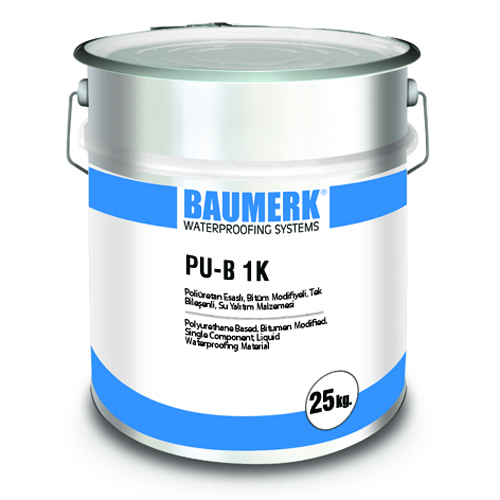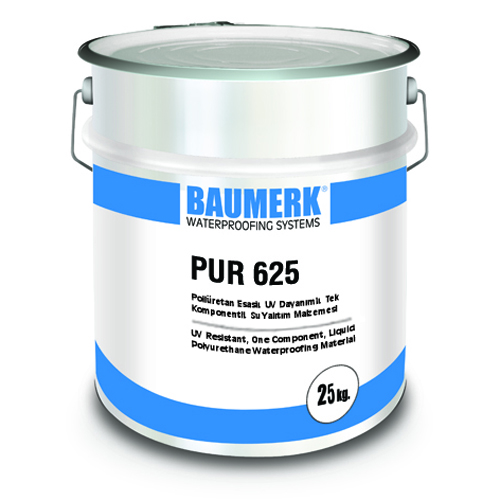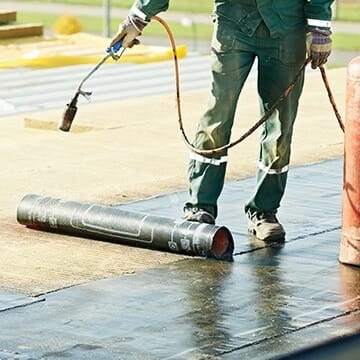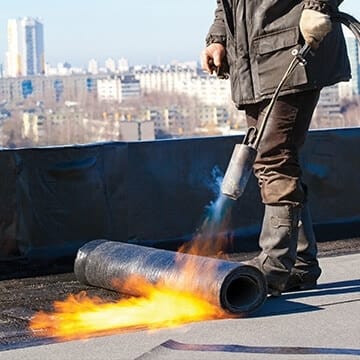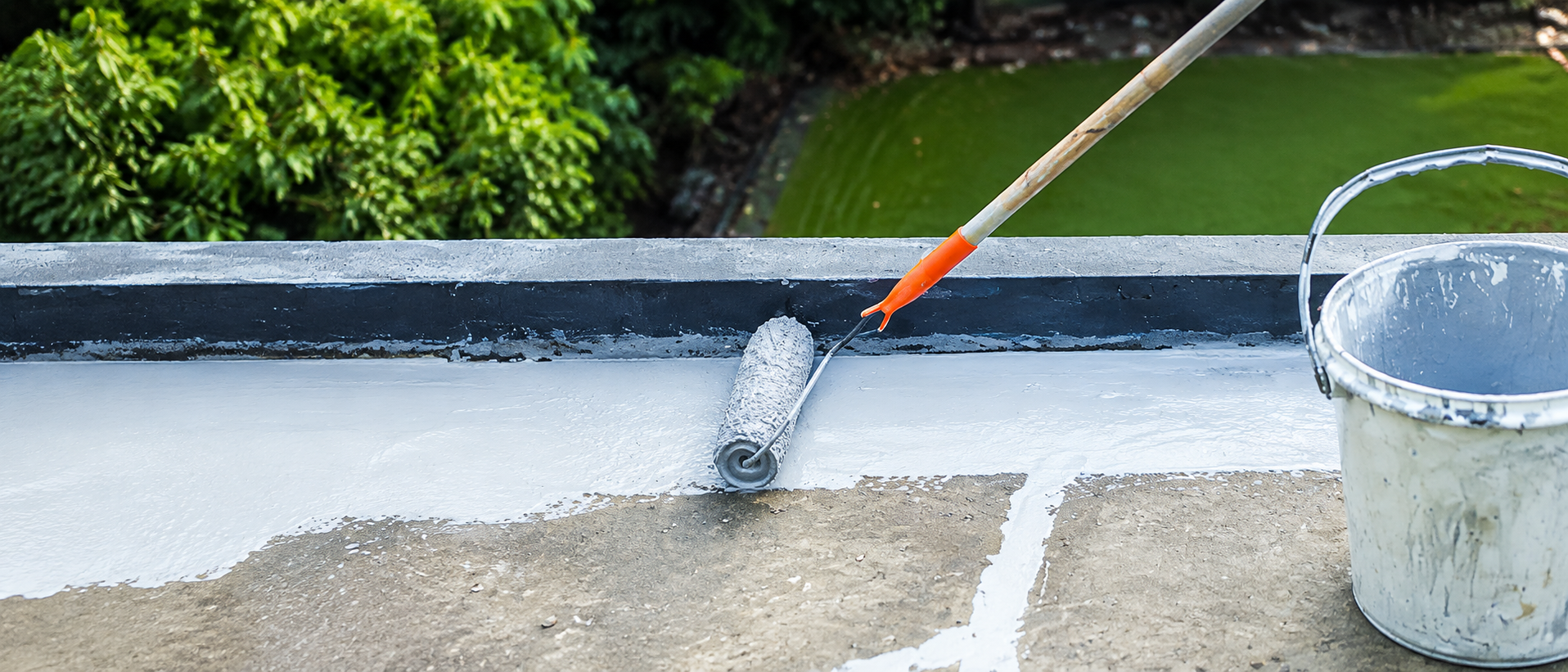

Polyurethane waterproofing is mostly applied in liquid form and creates a seamless, elastic waterproofing layer on the surface. It is preferred for areas with many details, irregular geometries, or where surface movement has to be accommodated. Bitumen membranes are sheet membrane systems used on large surfaces such as foundations, basement and retaining walls, terraces and roofs. They include APP- and SBS-modified options.
The main difference between the two systems is that polyurethane waterproofing is a coating that cures into an elastic layer, while a bitumen membrane is a waterproofing material produced in rolls, usually with a reinforcement carrier. Both materials strengthen the building's waterproofing with different application methods, depending on the project requirements and surface type.
Differences Between Polyurethane Waterproofing and Bitumen Membranes
Polyurethane waterproofing and bituminous membranes are both used to create a watertight layer, but they differ in composition, application method and service conditions. The differences that come from each material's structure, and their areas of use, are as follows:
|
Criteria |
Polyurethane Waterproofing Materials |
Bituminous Membranes |
|
Material Composition |
A liquid-applied waterproofing coating that cures into an elastic layer. |
A bitumen-based membrane produced in rolls, usually with a reinforcement carrier. |
|
Purpose |
Forms an elastic, seamless and watertight coating on the surface. |
Forms a membrane layer, applied in rolls, that protects the surface against water and moisture. |
|
Application Method |
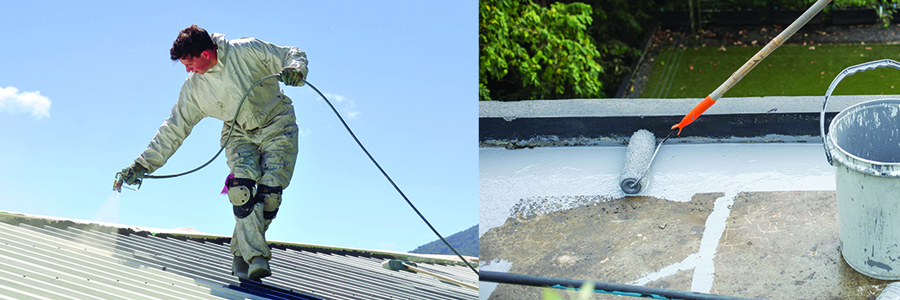
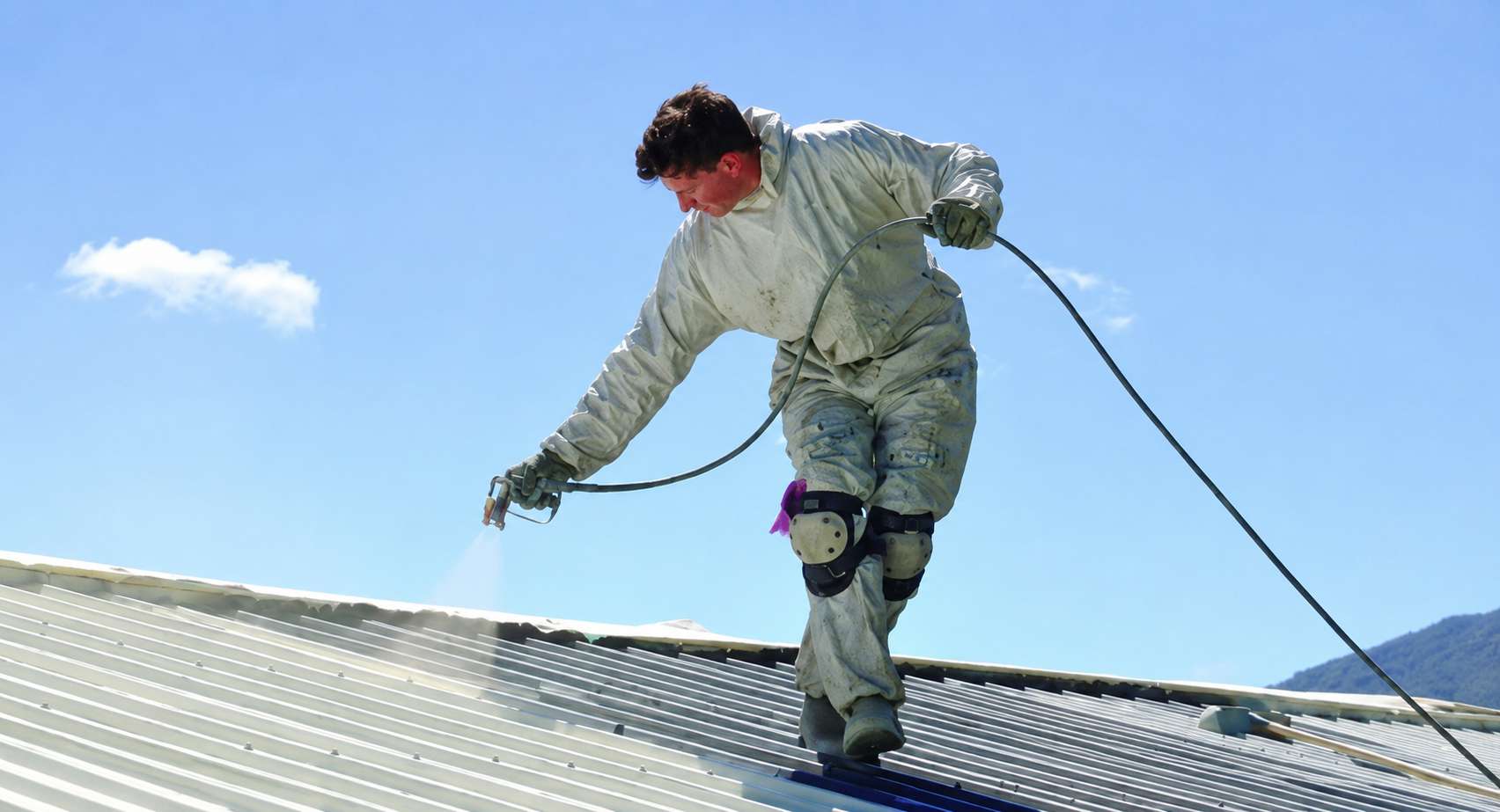
Applied in liquid form by brush, roller or spray. |
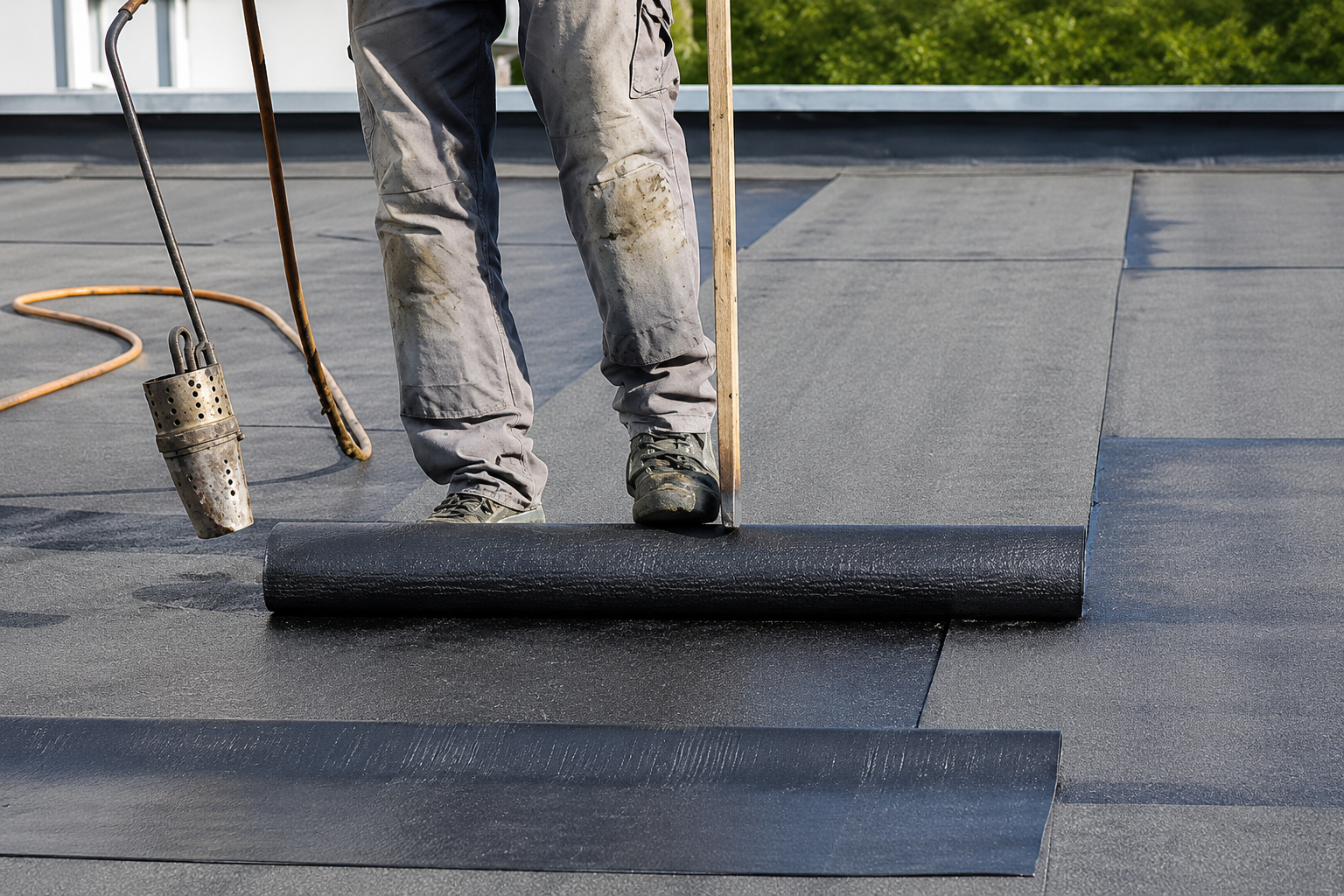
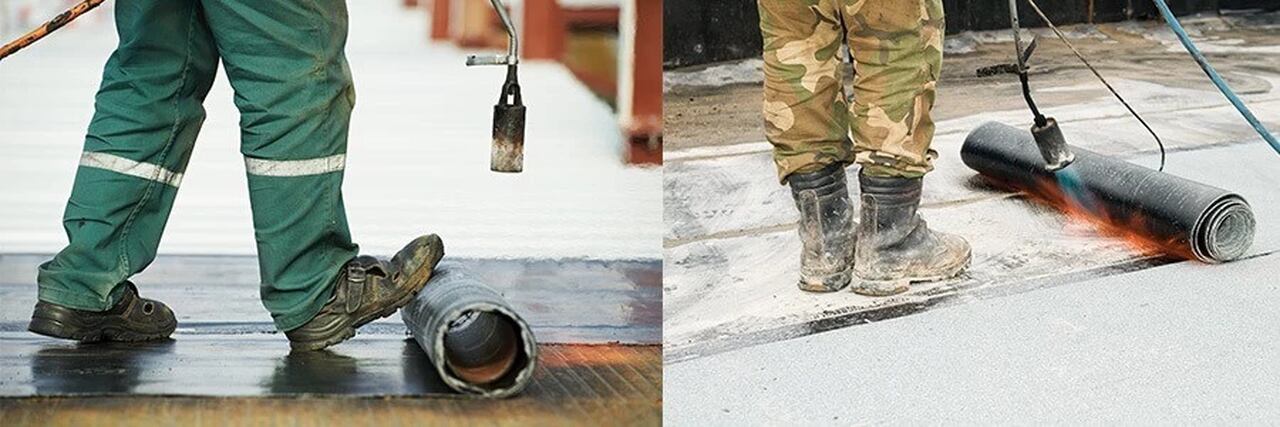
Depending on the product type, torch-applied or self-adhesive. |
|
Areas of Use |
Terraces and roofs, balconies, wet areas, foundation and basement wall waterproofing, gutters, drainage channels and detailed surfaces. |
Foundation and basement wall waterproofing, basements, retaining walls, terraces and roofs, car parks and large surface areas. |
|
Joints and Laps |
Forms a seamless surface once cured. |
Roll joints require overlaps and lap detailing. |
|
Surface Geometry |
An advantage on complex geometries and detailed surfaces: because it is liquid-applied, it covers corners, junctions and irregular shapes without interruption. |
The roll format makes it a practical solution for covering large, regular areas quickly. |
|
Flexibility |
Depending on the product, can offer high elasticity and crack-bridging capability. |
Flexibility varies with the APP or SBS modification and the product structure. |
|
Mechanical Strength |
Depends on the formulation and the application system. For example, PUR 625 has an impact resistance of ≥10 Nm, while PU-B 2K offers high elongation, tensile, tear and abrasion resistance. |
The carrier and the membrane's polymer modification determine mechanical strength. Baumerk's APP and SBS membranes are reinforced membrane systems with high tensile and breaking strength. |
|
UV Resistance |
Depends on the formulation; UV-resistant products can be left exposed outdoors. |
Depends on the membrane's surface protection and product type; some membranes need a top coat or protective layer. |
|
Cost Factors |
Depends on the product, consumption, number of coats and site conditions. |
Membrane type and thickness, number of layers, primer, overlaps, detailing products and application method all affect the total cost. |
|
Service Life |
Depends on product properties, surface preparation and application quality. Some systems offer a service life of about 25 years or more. |
Depends on product properties, the membrane's modification, application quality and environmental conditions. Membrane systems are generally expected to last 20–30 years, and some high-performance systems last more than 30 years. |
As the table shows, polyurethane waterproofing is mainly used on detailed surfaces and irregular geometries. Because it is generally liquid-applied, it can cover corners, junctions and pipe penetrations as one continuous layer. Polyurethane-based products with elasticity and crack-bridging capability also adapt to surface movement. This keeps the waterproofing layer continuous and stops water from getting into the structure.
For a complete guide to polyurethane waterproofing, read our article How to Apply Polyurethane Waterproofing: Application and Choosing the Right Product.
Which Waterproofing System Should Be Used for Which Project?
Different projects need waterproofing products with different properties. Polyurethane or bitumen-based membranes are recommended based on the needs and existing condition of the surface. Recommended solutions by surface type:
|
Surface Type |
Recommended Waterproofing Solution |
|
Detailed Surfaces |
Liquid-applied polyurethane systems are recommended for surfaces with many corners, junctions or penetrations. Because the material goes on as one piece, it helps create a continuous waterproofing layer at these details. |
|
Large, Regular Surfaces |
Roll membranes are a practical solution for large areas with a regular surface. The application method, surface preparation and correct lap detailing are key to system performance. |
|
Foundations, Basements and Basement Walls |
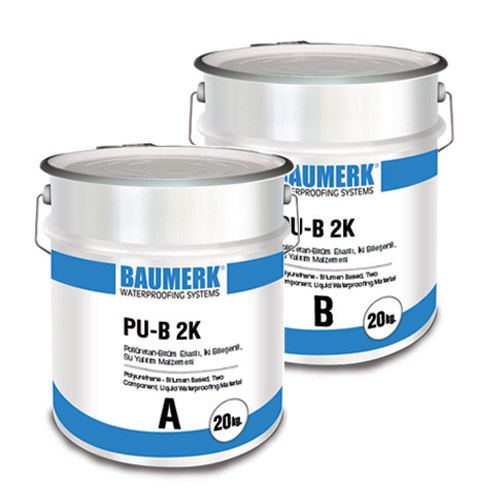
Both polyurethane-based and bituminous membrane systems can be used on below-grade foundations, basements and basement walls. The deciding factors are hydrostatic pressure, surface condition, drainage and protection layers. Baumerk PU-B 2K is a super-elastic, polyurethane-bitumen based coating developed for foundations, basement and retaining walls and below-grade structures. |
|
Terraces and Roofs |
On terraces and roofs where the waterproofing stays exposed, consider UV resistance, temperature changes, foot traffic and finishing layers. UV-resistant polyurethane products can be used on exposed surfaces. Bituminous membrane systems can be applied based on the product's surface finish and the protective layers specified on top. |
|
Areas Requiring Flame-Free Application |
Some bituminous membranes are torch-applied, while polyurethane waterproofing products are liquid-applied and need no open flame. In areas with timber or other flame-sensitive materials, where an open flame isn't suitable, polyurethane systems or self-adhesive bituminous membranes can be used, as long as the application method is taken into account. |
In conclusion, don't choose between polyurethane waterproofing and a bituminous membrane on material type alone. Consider the application area, surface characteristics, detailing, environmental conditions and the other layers of the waterproofing system together to choose the right product. You can find polyurethane waterproofing, bitumen-based membrane solutions and every other waterproofing product you need at Baumerk, the Construction Chemicals Specialist.