Concrete floor coating is applied to ensure that concrete surfaces are durable, long-lasting, and smooth. Coating a concrete surface enhances its aesthetic appearance, increases durability and provides a hygienic finish.
Using different techniques and materials, these coatings help prevent issues such as dusting, abrasion, cracking, liquid absorption, and surface deterioration that may occur on concrete floors.
Additionally, coating systems provide concrete floors with high resistance to impacts and heavy foot traffic. Coatings that offer protection against chemicals also simplify cleaning and maintenance processes, ensuring long-term and safe use.
At this point, it is important to note that there are various types of concrete floor coatings designed for different applications and needs.
Types of Concrete Floor Coatings
The methods used for coating concrete surfaces vary depending on the intended use of the surface. It is essential to consider the current condition of the surface, its purpose, the load it will bear, and environmental conditions before application.
For example, in areas such as shopping malls, outdoor spaces, gyms, and cold storage facilities—where aesthetics and heavy foot traffic are important—polyurethane or micro concrete floor coatings are commonly preferred.
The main types of concrete floor coatings are as follows:
Micro Concrete Coating
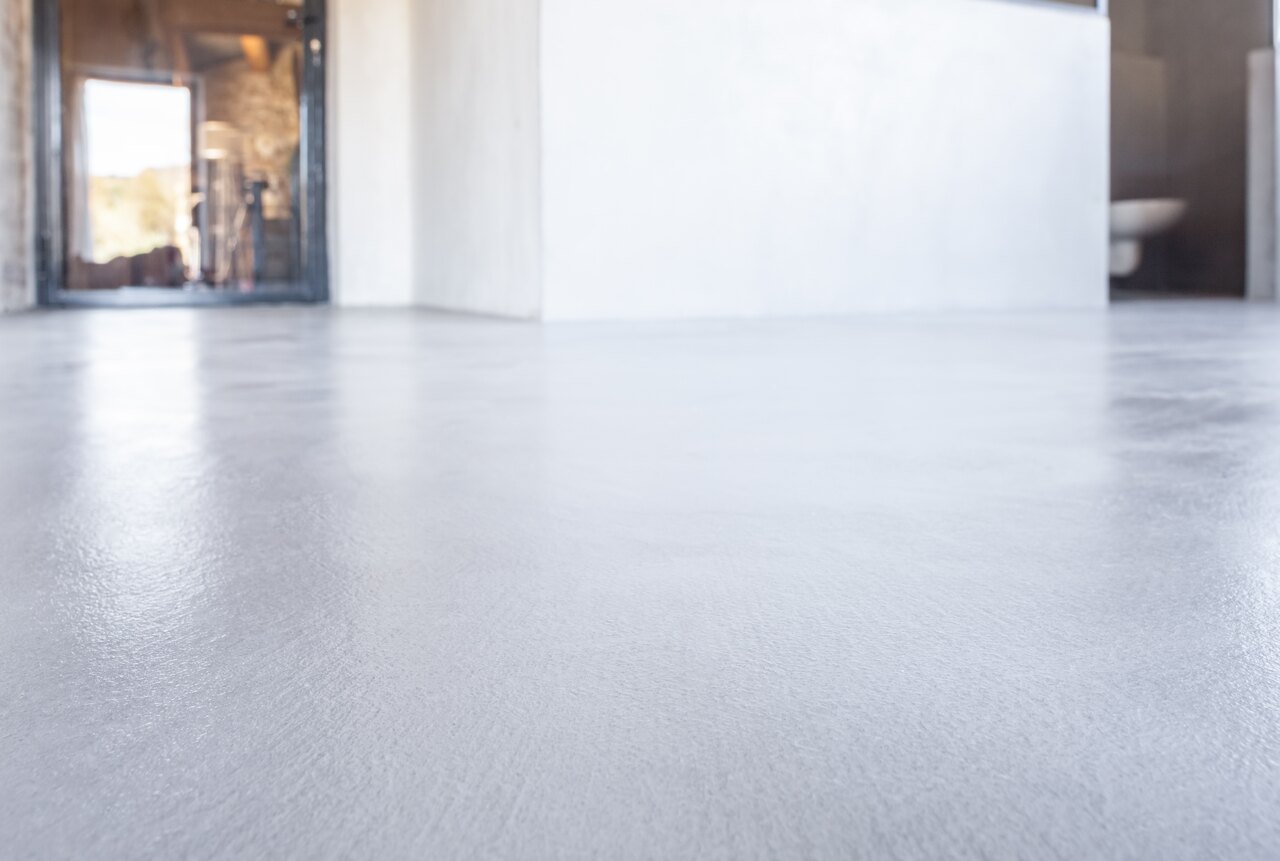
Micro concrete coating is a decorative coating applied as a thin layer over an existing concrete surface. It provides a seamless structure, smooth finish, and decorative consistency, creating a modern aesthetic in interior spaces.
It is commonly used in residential interiors, offices, stores, and showrooms.
Epoxy Coating
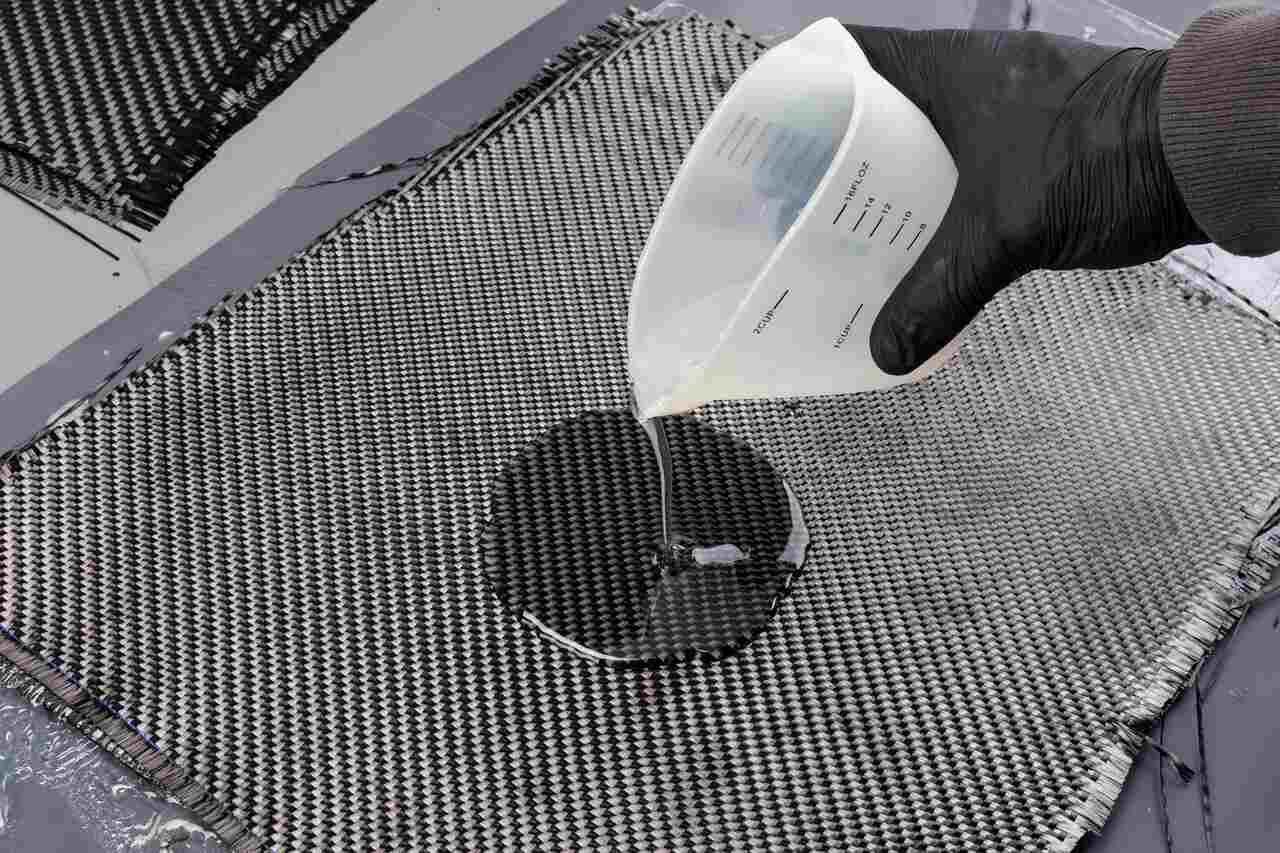
Epoxy coatings are two-component, resin-based systems that provide high resistance to chemical, mechanical, and physical impacts on concrete floors.
They are widely used in factories, warehouses, parking garages, hospitals, laboratories, and food production facilities, ensuring resistance against to wear and impacts in high-traffic environments.
Polyurethane Floor Coating
Polyurethane floor coating is an advanced system with a flexible structure that offers high resistance to cracking and absorbs impact and vibration.
It is ideal for areas with heavy traffic, such as gyms, parking ramps, shopping malls, cold storage facilities, and outdoor spaces.
Polyurethane coatings also perform well against temperature fluctuations, UV exposure, and chemical substances.
Acrylic Floor Coating
Acrylic floor coating is a water-based, fast-curing solution that is particularly preferred for outdoor applications.
It adheres strongly to concrete surfaces and protects them against water, moisture, and environmental factors. With anti-slip surface options, it enhances pedestrian safety.
It is widely used in gardens, walkways, terraces, sports fields, and landscaping areas. Its ease of application and quick usability make it advantageous for high-traffic areas.
PVC Floor Coating
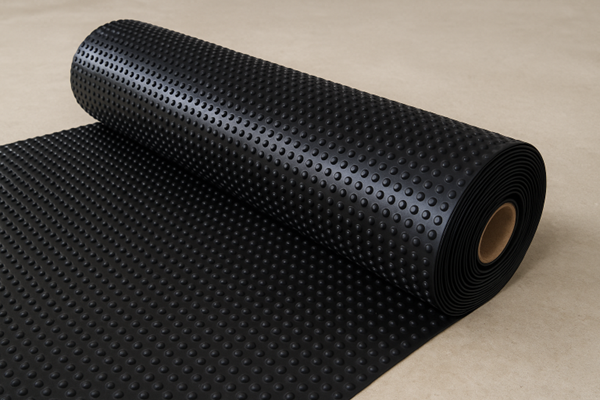
PVC floor coating is a flexible and highly wear-resistant coating applied over concrete surfaces.
It is commonly used in hospitals, schools, offices, shopping malls, gyms, and commercial spaces. It provides comfort through sound insulation and safety through its anti-slip surface.
What Materials Are Used in Concrete Floor Coatings?
The materials used in concrete floor coatings vary depending on the coating type. The main materials include:
-
Epoxy resin systems: High-performance materials used in industrial areas, offering chemical, mechanical, and physical resistance.
-
Polyurethane coating materials: Flexible systems that absorb impact and vibration, especially preferred in outdoor and dynamic load areas.
-
Acrylic-based coating materials: Fast-curing, UV-resistant, and anti-slip solutions mainly used for outdoor applications.
-
PVC floor covering products: Flexible, hygienic, and highly wear-resistant materials used in interior spaces.
-
Self-leveling screeds: Cement-based preparation materials used to create a smooth, balanced, and level surface before coating applications. These are also used under polyurethane, epoxy, and micro concrete systems.
For example, EPOX SL-800 Self-Leveling Coating Material is one of the products in this category.
How is Concrete Floor Coating Applied?
The application process of concrete floor coating varies depending on surface conditions and performance expectations.
For instance, if a decorative outdoor surface is desired, micro concrete may be preferred. On the other hand, for resistance to rain, frost, and temperature changes, polyurethane coating would be more suitable.
In general, the following factors determine the application process:
-
Customer expectations and requirements
-
Intended use of the floor and load conditions
-
Pedestrian or vehicle traffic intensity
-
Whether the area is indoor or outdoor
-
Moisture level and exposure to water
-
Climate conditions and temperature changes
-
Aesthetic expectations and architectural compatibility
-
Application duration and budget planning
Application Steps
-
The concrete surface is thoroughly inspected before application.
-
Cracks, voids, surface defects, moisture levels, and level differences are identified and evaluated.
-
Dirt, oil, dust, paint residues, and weak layers are removed using grinding, milling, and mechanical cleaning equipment.
-
If there are level differences or irregularities, self-leveling materials are applied to create a smooth and even base.
-
A suitable concrete primer is applied to ensure strong adhesion between the substrate and coating layers.
-
Resin and additive components of the selected system (epoxy, polyurethane, micro concrete) are mixed according to manufacturer specifications.
-
The prepared coating material is applied evenly using a trowel, roller, or spatula. Multiple layers may be applied to achieve the desired thickness and performance.
-
If required, quartz aggregates, anti-slip additives, or antistatic components are added to enhance performance.
-
The coating is left to cure according to technical specifications, during which it must not be exposed to water, traffic, or load.
-
A protective topcoat may be applied to provide UV resistance, chemical resistance, and anti-slip properties.
-
Final inspections are carried out, minor corrections are made if necessary, and the surface is delivered ready for use.