
Epoxy resin is, in simple terms, a two-component polymer-based material. It is obtained by mixing epoxy resin with hardeners. Through a chemical reaction, the resin cures and forms a durable structure, offering high adhesion strength, chemical resistance, waterproofing, and long-lasting protection.
So, how is epoxy resin used, how is it prepared, and what materials are used to polish it?
As Baumerk, a Construction Chemicals Expert, we will answer all frequently asked questions about epoxy resin in this content.
What Does Epoxy Resin Do?
Epoxy resin can be used on many surfaces thanks to its strong bonding and coating properties. In addition to surface coating, it also functions as an adhesive in the repair of structures such as steel, reinforcement bars, and reinforced concrete.
Moreover, it provides high resistance against chemicals such as acids, solvents, and alkalis, ensuring durable performance against chemical corrosion.
For more general information about epoxy materials, you can also review our article titled What is Epoxy?
How is Epoxy Resin Made?
Epoxy resin is used both in professional applications such as construction and in personal or artistic hobby projects. To benefit from its properties, the correct mixture must be prepared.
In construction applications, epoxy resin preparation requires professional equipment. The general preparation steps are as follows:
Prepare a Suitable Working Environment
Before preparing epoxy resin, the environment must be dust-free, dry, and well-ventilated. The ideal temperature is typically between 20–25°C. Extremely hot or cold conditions may affect the reaction time.
Use the Necessary Materials
Epoxy resin systems typically consist of two main components:
-
Component A (resin)
-
Component B (hardener)
Additional materials include a mixing container, stirring stick, gloves, measuring cup, and protective equipment.
Determine the Correct Mixing Ratio
Each epoxy product may have a different mixing ratio, typically 2:1 or 1:1. The manufacturer’s recommended ratio must be strictly followed. Otherwise, the mixture may not cure properly or may react excessively.
Mix the Components Carefully
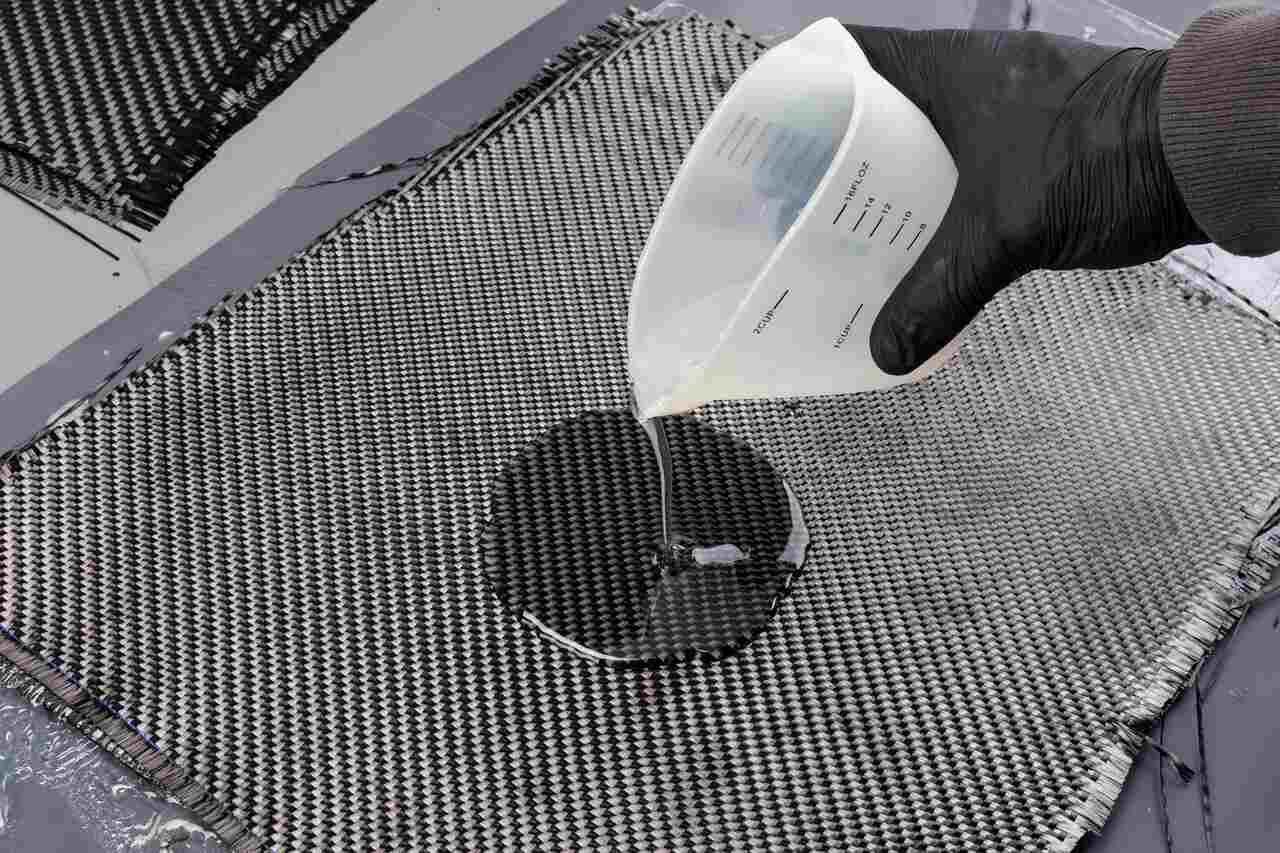
The resin and hardener are combined in the specified ratio and mixed slowly in circular motions for at least 3–5 minutes to achieve a homogeneous mixture. Mixing too quickly may cause air bubbles.
Remove Air Bubbles
Air bubbles can reduce surface quality. Therefore, the mixture should be left to rest for a few minutes or treated with a heat gun to eliminate bubbles.
Apply the Mixture
The prepared epoxy is evenly poured onto the surface, mold, or floor. The application thickness depends on the intended use:
-
Coatings: typically 1–3 mm
-
Casting applications: typically 5–50 mm
Allow for Curing
After application, the epoxy should be left to cure for at least 24–48 hours. Full strength depends on ambient temperature.
Final Inspection and Finishing
Once cured, the surface is checked. If necessary, sanding or polishing is applied to achieve a smooth and glossy finish.
Where is Epoxy Resin Used?
The primary application of epoxy resin is floor coatings. In industrial flooring, it provides high mechanical strength, chemical resistance, dust-free hygienic surfaces, and long-term protection.
All main usage areas are as follows:
Industrial Floor Coatings
Factories, warehouses, parking garages, hospitals, schools, and laboratories.
Decorative and Artistic Applications
Used in decorative surface designs such as, tables, countertops, jewelry, objects, and casting art. Pigments, glitter, and natural stone powders can be added to create unique designs.
Surface Bonding Applications
Provides strong adhesion on wood, metal, glass, stone, ceramic, and plastic surfaces. It is widely used as a structural adhesive in construction, automotive, and marine industries.
Repair and Maintenance Applications
Used for repairing concrete cracks and surface restoration due to its resistance to chemicals and water.
Electrical and Electronic Applications
Epoxy resins have insulating properties, making them suitable for use in electrical circuits, transformers, cable joints, and electronic components.
Where to Buy Epoxy Resin?
Epoxy resin can be used to perform essential processes in the construction industry. It should be purchased from manufacturer brands that offer products suitable for specific applications.
For example:
-
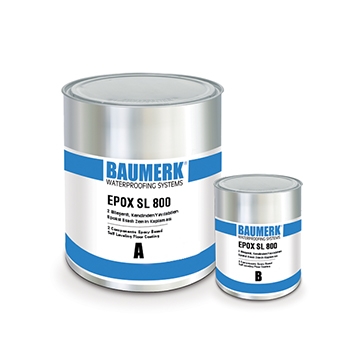
EPOX SL 800 is an epoxy resin-based floor coating material resistant to heavy loads and chemical effects.
-
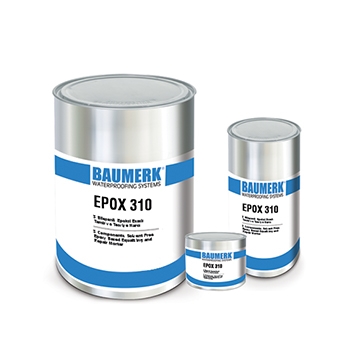
EPOX 310 Repair and Filling Mortar is used for concrete repair and restoration applications.
When purchasing epoxy resin or epoxy-based products, it is essential to review the technical data sheets provided by the manufacturer.
Frequently Asked Questions About Epoxy Resin
How is Epoxy Resin Used?
Epoxy resin is prepared by mixing two components (resin and hardener) until a homogeneous consistency is achieved. It is then poured or applied with a brush. It cures within 24–48 hours to form a durable surface.
What is Used to Polish Epoxy Resin?
Epoxy surfaces can be polished using fine sandpaper and polishing compounds. Polishing (buffing) methods can also be used. Additionally, special epoxy polishing varnishes provide long-lasting shine.
How to Remove Epoxy Resin from Hands?
If not yet cured, epoxy can be cleaned with soapy water or suitable cleaning solutions. Once hardened, it must be carefully removed mechanically. Protective gloves should always be used during application.
How is Epoxy Resin Colored?
Epoxy resin is colored using special pigments based on selected RAL codes before application. Pigments are added to the resin to achieve the desired color and maintain consistency.
How is Epoxy Resin Removed?
Fully cured epoxy can be removed by sanding, scraping, or using special epoxy-removing solvents. Uncured resin can be cleaned with non-acetone solvents or isopropyl alcohol.
Is Epoxy Resin Harmful?
Epoxy resin is not harmful once cured. However, in liquid form, it may be harmful if it comes into contact with skin or if vapors are inhaled. Therefore, gloves and masks should be used. Once hardened, it is non-toxic and safe.
Which Epoxy Resin is the Best?
The best epoxy resin varies depending on the intended application and area of use.
-
For floor coatings: industrial-grade two-component systems are recommended.
-
For decorative casting: transparent, UV-resistant resins are more suitable.