
Polyurea is a high molecular density polymer composed of isocyanate and polymer resin components. This material cures extremely quickly when the two components are mixed and sprayed using specialized equipment, forming a flexible yet highly durable coating on the surface. This is known as polyurea coating.
Polyurea is widely preferred for waterproofing due to its impermeable structure. Its strong adhesion to surfaces such as concrete, metal, and wood makes it suitable for use in parking areas, terraces, roofs, industrial floors, and water tanks. Its fast application and rapid readiness for use make polyurea a practical and long lasting solution.
What Are the Properties of Polyurea
Polyurea forms a dense and tightly bonded polymer network thanks to its high molecular structure. This provides strong chemical and mechanical resistance. It protects surfaces against impact, abrasion, and heavy usage conditions for extended periods.
Core properties include:
-
High elasticity that adapts to expansion, contraction, and microcracks in concrete, preventing cracking and delamination
-
Provides high-performance waterproofing by forming a seamless membrane that prevents water penetration
-
Strong resistance to chemicals including acids, oils, solvents, and industrial substances
-
Maintains its performance even under very low and very high temperatures without losing flexibility or strength
-
Excellent adhesion to various surfaces such as concrete, metal, and wood
-
Crack bridging capability that prevents water passage by covering micro and macro cracks
-
High adhesion strength, typically above 2 MPa on concrete and metal surfaces
We have also mentioned that polyurea is used as a coating material for insulation. Now, let us list the functions of polyurea coating.
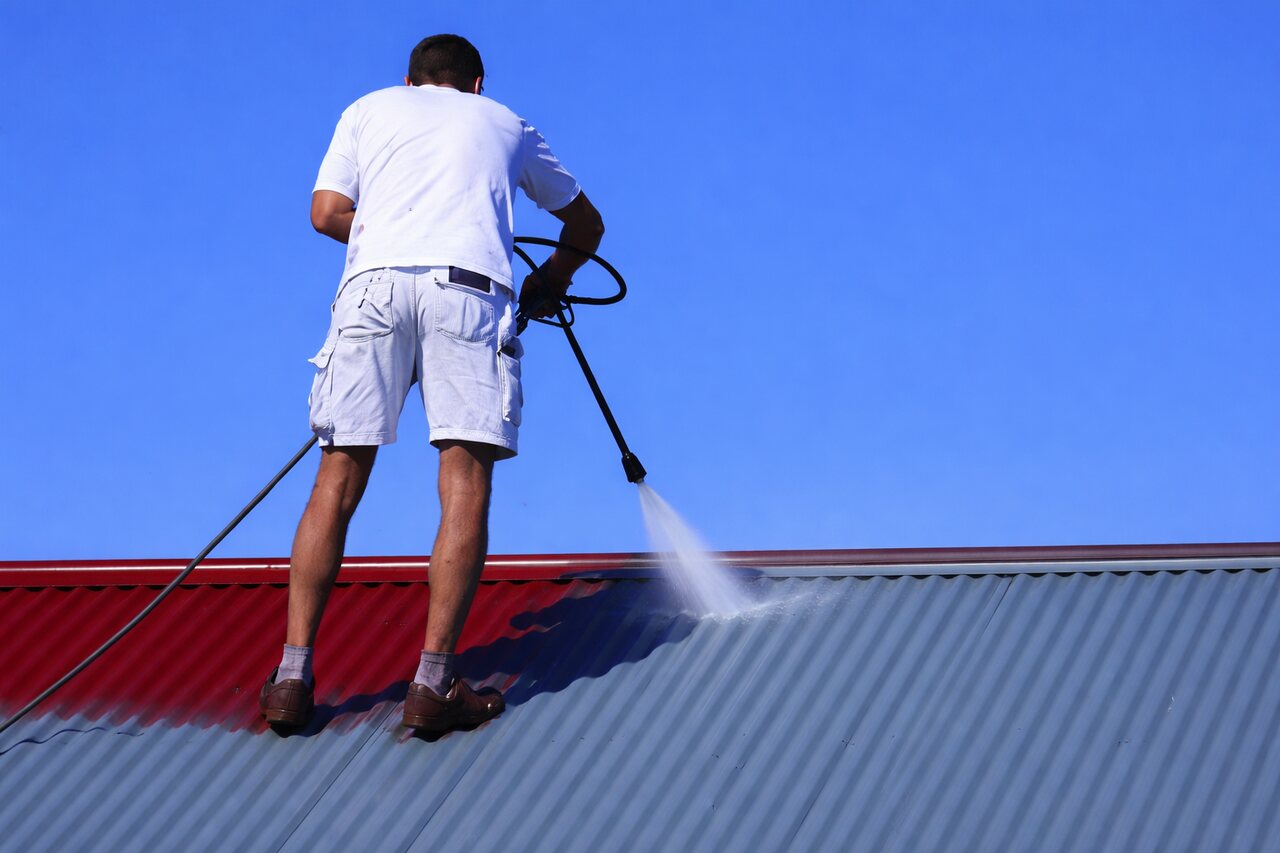
What Is Polyurea Coating Used For?
Polyurea coating, used in waterproofing, is a material frequently preferred on surfaces exposed to water. Its resistance to corrosion, ability to prevent cracks, and fast curing are among the prominent functions of polyurea. In general, the functions of polyurea coating, which strongly adheres to different surfaces, are as follows:
Main functions include:
-
It has high chemical resistance and protects concrete and metal surfaces from corrosion, rust, and chemical effects.
-
It has a highly elastic structure. It prevents crack formation and bridges existing cracks due to its elastic structure
-
Reduces wear by protecting surfaces from impact, friction, and heavy loads.
-
Allows quick return to service thanks to rapid curing.
-
It adheres strongly to different surfaces and forms a long-lasting coating.
-
Resistant to outdoor conditions such as sun, rain, and temperature variations.
-
Creates a hygienic and easy to clean surface, reducing maintenance needs.
Another frequently asked question about polyurea coating is its service life. These coatings, which strongly adhere to the applied surface, offer long-lasting performance. So, what factors affect the lifespan of polyurea coating?
How Long Does Polyurea Coating Last?
With proper application and surface preparation, polyurea coatings can typically last between 20 and 30 years. This lifespan can be extended with regular maintenance and proper usage. The main factors that extend the lifespan of polyurea coating are proper surface preparation, the use of correct application steps, and regular inspection of the surface during use.
Where Is Polyurea Used?
Polyurea is a versatile coating material used across many industries for both surface protection and flooring. It is used in different industries for both flooring and surface protection purposes. Polyurea offers effective solutions in many areas requiring waterproofing, corrosion protection, and mechanical strength, especially in polyurea flooring and polyurea roof coating applications.
Since it is applied by spraying, it fully adapts to the surface and forms a seamless, integrated protective layer.
The application areas of polyurea are as follows:
-
Roofs and Terraces: Used for waterproofing in roofing applications. Its seamless structure prevents leaks and provides long term protection with UV resistance. On terraces, it is preferred for both insulation and surface protection.
-
Industrial Surfaces: Applied in factories and production areas as flooring. Its resistance to heavy loads, chemicals, and traffic extends surface life and reduces maintenance.
-
Pools and Water Tanks: Ideal for areas in constant contact with water. It ensures waterproofing and creates a hygienic surface.
-
Roads and Parking Areas: Used in areas exposed to vehicle traffic due to its high resistance to abrasion and impact. It protects surfaces while providing waterproofing.
-
Pipelines: Applied as an anti corrosion coating on pipes and metal surfaces, preventing rust and damage from environmental factors.
-
Vehicle Coatings: Used on truck beds and cargo areas to protect against impact and scratches, increasing durability and lifespan.
How Is Polyurea Applied?
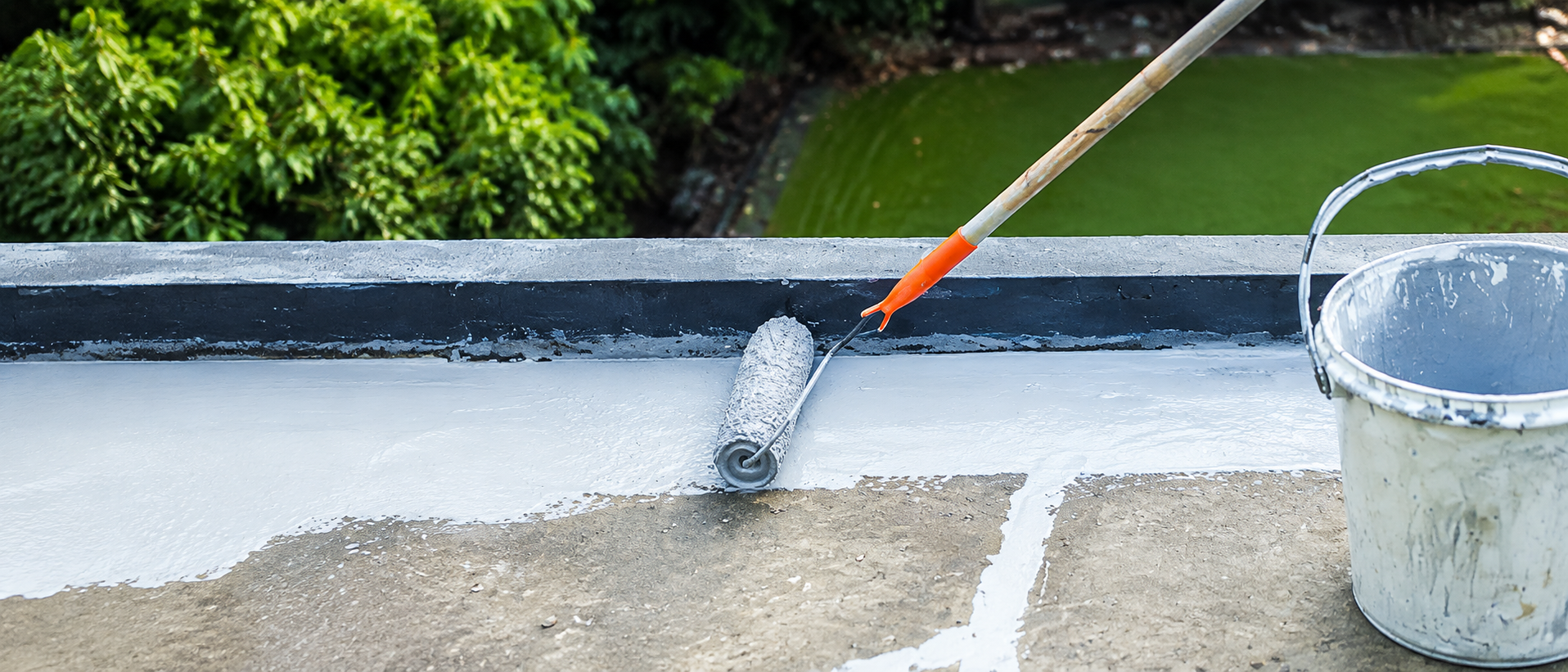
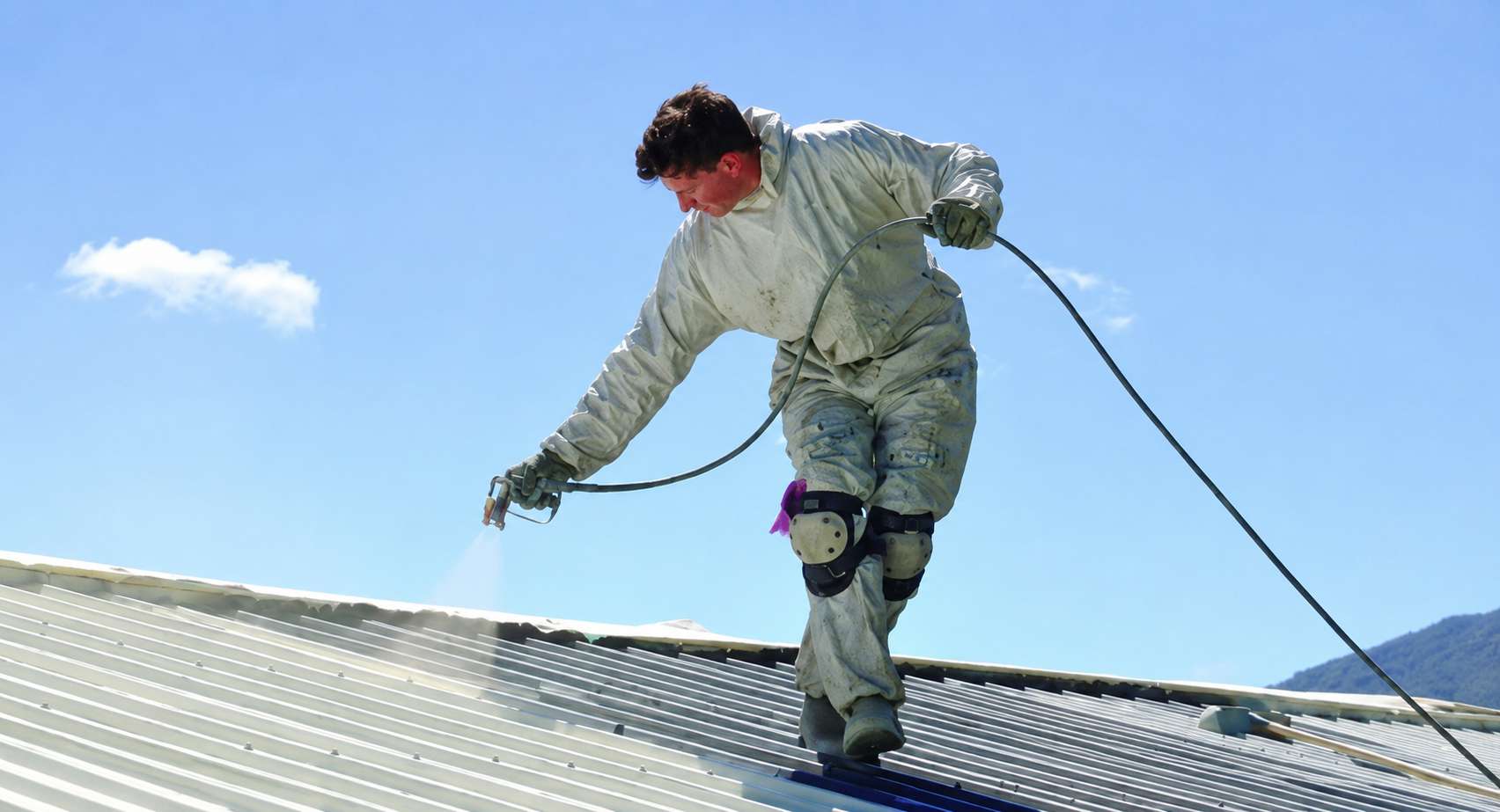
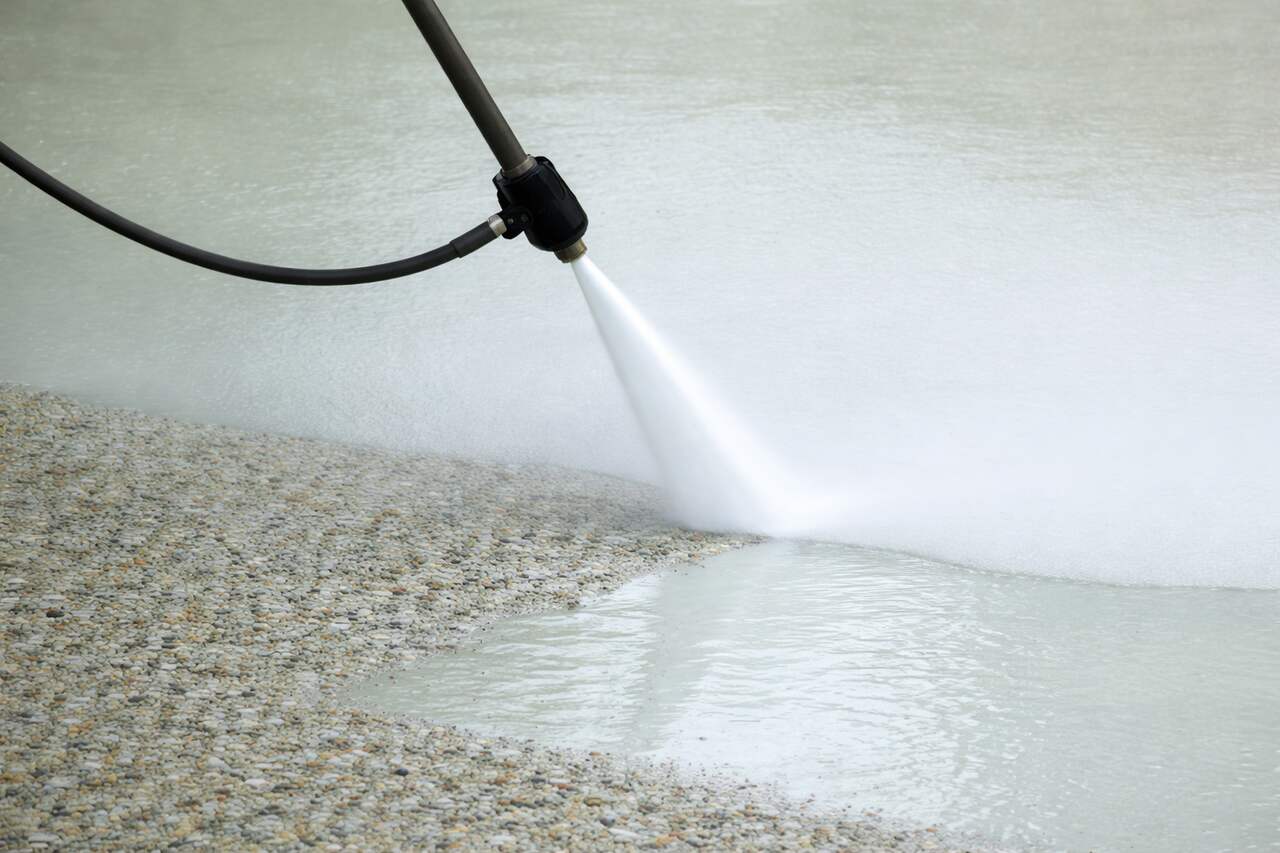
Polyurea coating is applied using high pressure, heat controlled spraying equipment that mixes isocyanate and resin components.
Application steps include:
-
Thorough surface preparation by removing dirt, oil, dust, and loose particles. Sanding or mechanical abrasion may be applied if necessary
-
Filling cracks and voids with suitable repair materials
-
Creating a smooth and solid substrate
-
Applying a primer suitable for the surface type to enhance adhesion.
-
Spraying the polyurea mixture evenly to form a seamless coating layer
-
Adjusting thickness according to project requirements
-
Allowing rapid curing as the material gels within seconds and becomes ready for use shortly after
-
Inspecting the surface and applying additional layers if needed
-
Applying top coats for UV resistance, chemical resistance, or additional protection depending on project needs
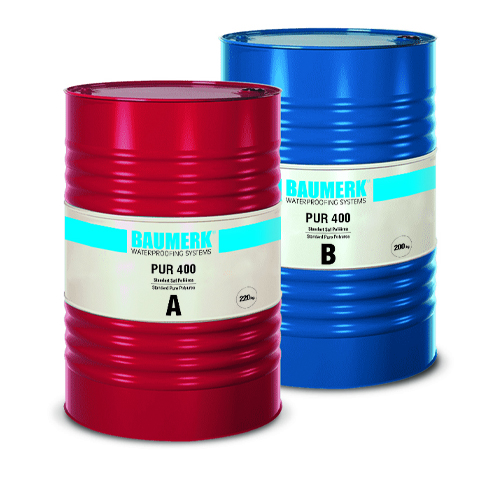
For long lasting and seamless waterproofing, products such as Baumerk PUR 400, which is a 100 percent pure polyurea material, can be used.
Can Polyurea Be Applied to Different Surfaces?
Yes, polyurea can be applied to concrete, metal, wood, and plastic surfaces. With proper primer selection and surface preparation, it provides excellent adhesion across different materials.
How Is Polyurea Produced?
Polyurea is obtained by mixing isocyanate and resin components using high-pressure specialized equipment. The reaction between amine terminated polymers in the resin and isocyanate forms polymer chains rapidly, creating a cross-linked structure. This fast reaction allows the material to cure quickly, forming a gel state almost instantly and gaining high mechanical strength in a short time. Polymer additives enhance both flexibility and durability.
Does Polyurea Crack?
No, polyurea does not crack easily due to its high elasticity and ability to adapt to surface movements. However, improper application or excessive structural movement may increase the risk of cracking.
In general, polyurea coatings should be applied according to product specific guidelines to achieve the best performance. Proper surface preparation and correct application techniques are also essential to ensure long lasting and effective results. You can explore more materials used in the construction industry on our blog page.