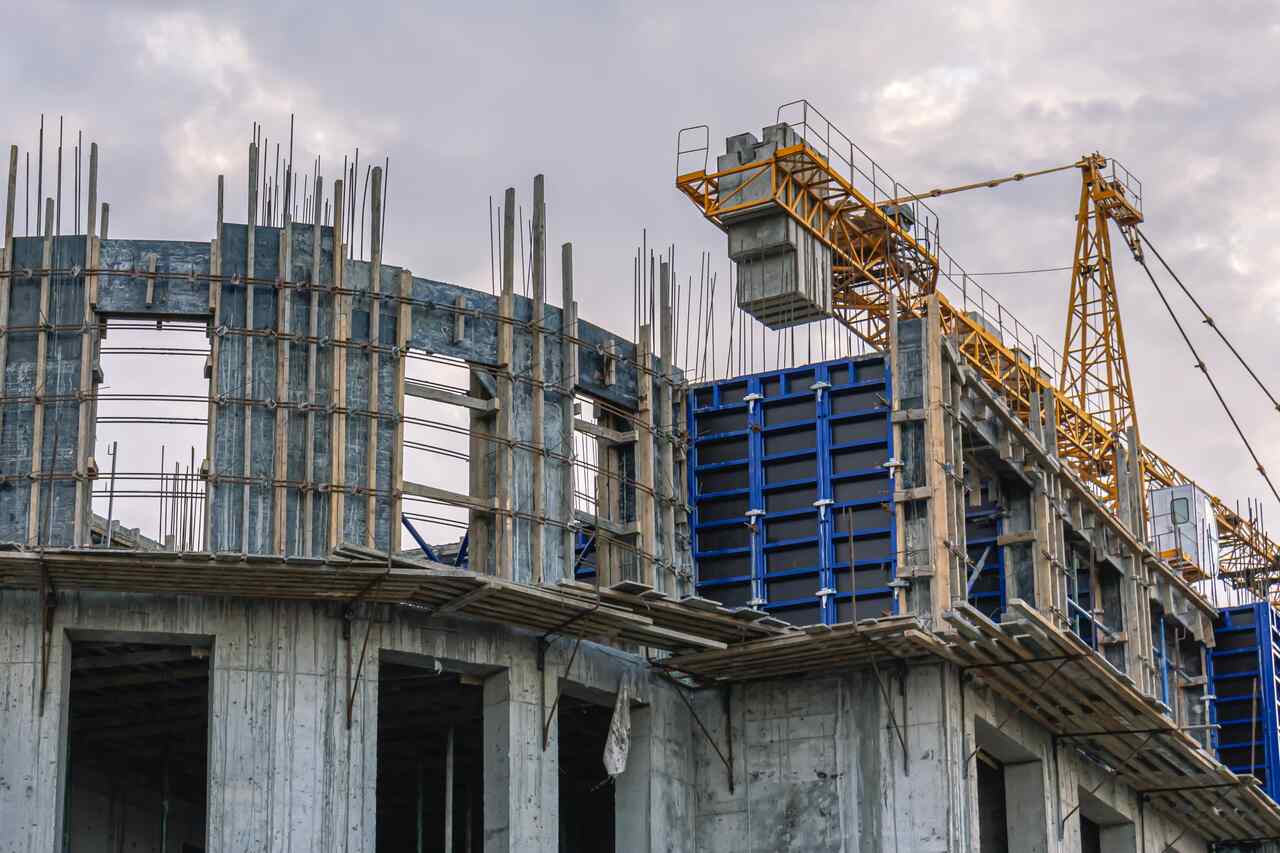

Column strengthening refers to the processes carried out to increase the ultimate load-bearing capacity of reinforced concrete columns. Also known as column jacketing, this concept is one of the most critical factors affecting the structural integrity of a building. In order to strengthen a structure, it is essential to analyze the current condition of the columns, calculate their load-bearing capacities, and reinforce them using appropriate methods based on the structural needs. At this stage, various column strengthening materials and techniques come into play.
What is Column Strengthening?
Column strengthening encompasses a range of structural interventions aimed at improving a building’s load-bearing capacity, stiffness, ductility, and overall stability. If a structure exhibits severe cracks in its load-bearing elements or contains design and construction errors, it indicates the need for column and beam strengthening.
Column and beam strengthening refers to all structural measures implemented to make a building more resistant to earthquakes and other external forces.
As outlined in the Turkish Seismic Code, strengthening applications may include:
-
Reducing the existing structural load
-
Wrapping columns with reinforced concrete, steel, or fiber-reinforced polymers
-
Strengthening beams with reinforced concrete or fiber-reinforced materials
-
Reinforcing partition walls
-
Adding shear walls
-
Introducing new structural frames
-
Foundation strengthening
These interventions enhance axial load capacity, improve shear and bending resistance, support ductile behavior, and reduce the risk of sudden failure during seismic events.
Structures where column strengthening is commonly applied include:
-
Reinforced concrete frame buildings
-
Steel-structured buildings
-
Masonry buildings with reinforced concrete tie beams and columns
-
Industrial facilities and factories
Buildings constructed according to outdated seismic regulations are also among the top candidates for strengthening.
Column Strengthening Techniques
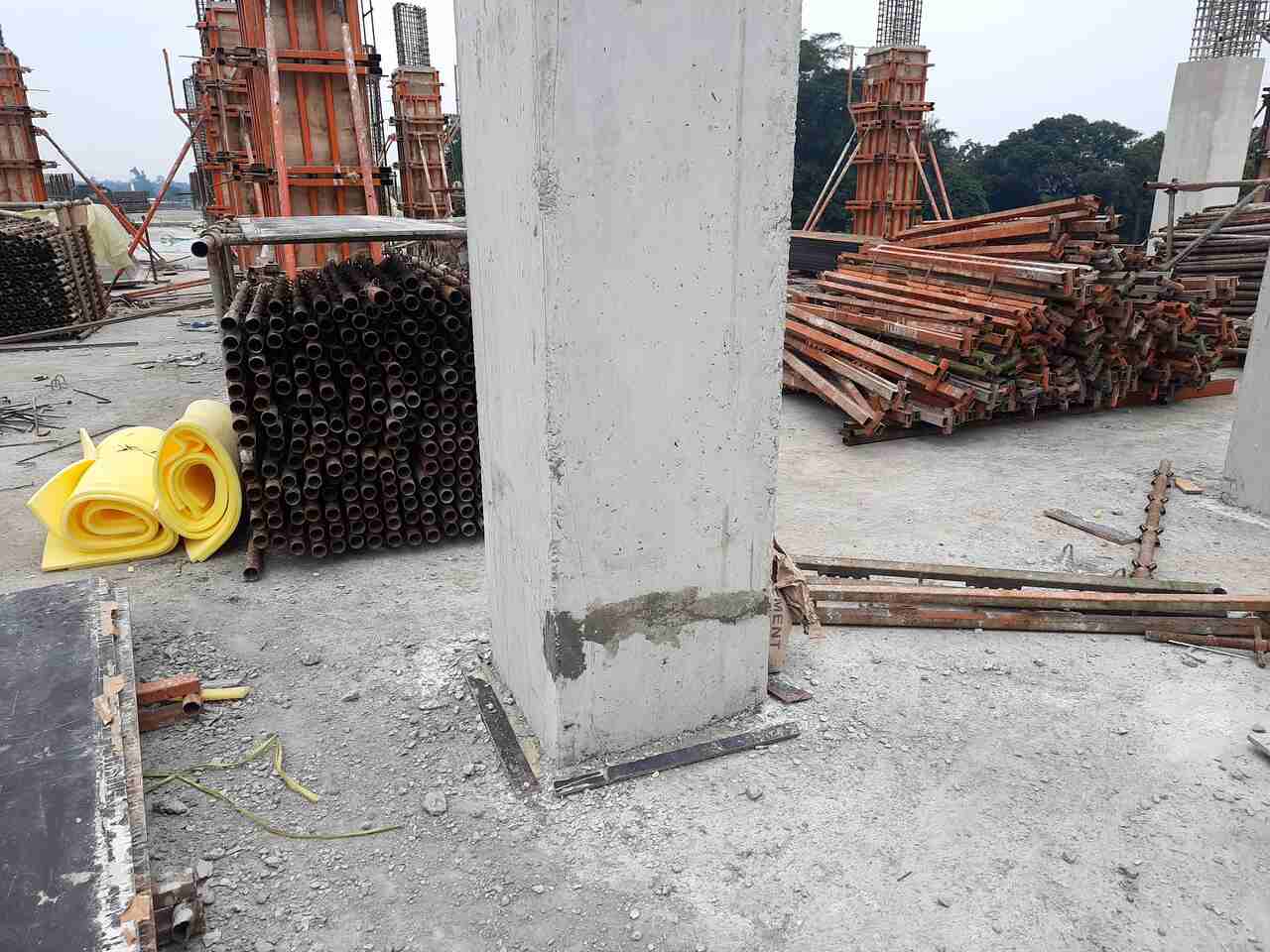
The answer to how column strengthening is performed lies in the selection of appropriate techniques. A single method does not apply to all structures. Instead, the structural system, concrete strength, reinforcement condition, and damage level must be thoroughly analyzed before determining the most suitable approach.
Common column strengthening methods include:
Reinforced Concrete Jacketing
One of the most widely used techniques, especially in structures with insufficient cross-sections or low concrete strength. The column is encased with additional reinforcement and high-strength concrete to increase load capacity.
Carbon Fiber Reinforcement (FRP)
A practical method, particularly in projects where architectural changes must be minimized. It enhances flexibility and shear strength without significantly increasing the column size.
Steel Jacketing
This method involves wrapping the column with steel plates or profiles. It significantly improves shear and bending resistance and is commonly used in structures exposed to high loads or seismic activity. It also allows for fast application without enlarging the concrete section.
Shear Wall Addition
Adding reinforced concrete shear walls increases the building’s lateral load capacity and reduces horizontal displacement during earthquakes. This technique is especially effective for improving structural stability.
Column Strengthening Materials
The materials used in column strengthening vary depending on the chosen technique and structural requirements:
-
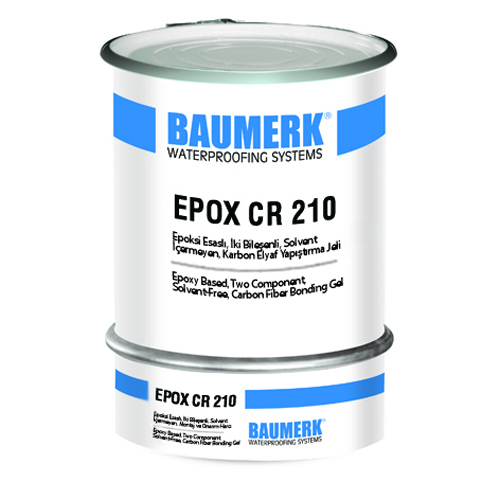
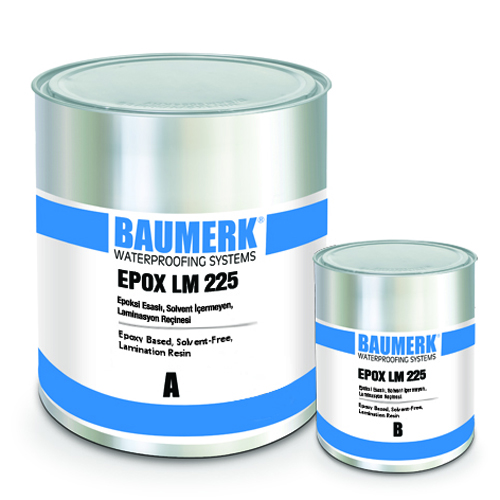
Epoxy Resin: Epoxy resin is used to ensure proper adhesion of carbon fiber or steel elements to the concrete surface. First, the application surface is cleaned and prepared to achieve a smooth finish; then the epoxy is applied, and the material is bonded to the surface. With its high bonding strength, this material creates a strong bond between the structural element and the strengthening material. The Epoxy-Based Two-Component Carbon Fiber Bonding Gel developed by Baumerk is also a high-performance epoxy resin solution.
-
Shotcrete: Used in jacketing applications to enlarge the existing section. Applied via a pressurized system, especially in areas where conventional formwork is difficult.
-
Steel Strips: Wrapped around columns to enhance shear strength and control cracking. Fixed with anchors or welding.
-
Carbon Fiber: Carbon fiber fabrics are bonded to the column surface with epoxy and wrapped around it. Thanks to their lightweight and high-strength properties, they enable strengthening without increasing the cross-section. They also enhance ductile behavior under seismic effects and reduce the risk of sudden brittle failure.
-
Corrosion Protection Coatings: Corrosion protection coatings prevent rust by protecting reinforcement bars from moisture and external factors, ensuring the long-term durability of the strengthening application. Corrosion-inhibiting mortar is applied to the reinforcement surface to prevent the formation of rust. It is also a specially formulated material that creates a bonding bridge between the existing concrete and the new repair mortar. In this context, the corrosion protection and adhesion-enhancing repair mortar developed by Baumerk ensures that the reinforcement is properly protected and that surface preparation is safely completed prior to column strengthening.
-
Steel Reinforcement Bars: Steel reinforcement is used in column strengthening applications to increase load-bearing capacity and enhance structural strength by working together with concrete. It is fixed to the existing column to ensure integration with the new concrete.
-
Steel Plates and Profiles: Steel plates and profiles are applied around the column using the jacketing method. They are fixed with bolted or welded connections, improving shear and bending resistance and increasing the load-bearing capacity of the column.
These materials are essential for enhancing structural performance, maintaining integrity, and ensuring safety against external forces- especially earthquakes. Proper material selection and professional application are crucial.
What is the Cost of Column Strengthening?
The cost of strengthening a building varies depending on the existing damage condition of the structure, the number of columns, the selected strengthening method, the materials to be used, labor costs, and the scope of the application. There are significant price differences, both in terms of materials and labor, between techniques such as reinforced concrete jacketing, steel jacketing, and carbon fiber reinforcement.
In addition, the number of floors, site accessibility conditions, and the need for foundation strengthening also affect the total cost. In comprehensive building strengthening projects, the total cost may increase significantly depending on the method used and the size of the structure. In order to determine the exact cost, an on-site technical inspection and engineering analysis must be carried out.
Mistakes Made in Column Strengthening Applications
Column strengthening is addressed within the scope of a building strengthening project. Accordingly, every stage of the project must be planned with expert knowledge and perspective. Failure to correctly identify the damaged areas of the building or to conduct a proper analysis of the existing structural system may lead to serious risks during the application process. Therefore, every step-from the design phase to material selection-must be carried out carefully and systematically.
Common mistakes made during the column strengthening process include:
-
Starting the application without conducting a detailed performance analysis
-
Failing to test the existing concrete strength and reinforcement condition
-
Using materials that are not suitable for the project
-
Leaving anchorage and connection details insufficient
-
Poor workmanship and lack of a professional team
-
Ignoring corrosion risk
-
Neglecting post-strengthening quality control and inspections
Column strengthening is one of the most critical applications within the scope of structural strengthening. Therefore, carefully analyzing the needs and details of a building reinforcement project helps prevent potential errors. As Baumerk, we offer repair and strengthening materials used in structural reinforcement projects. You can explore the most suitable products for your building’s needs on our page and contact us to source the right materials tailored to your project.