
Polyurethane is a type of polymer formed through the chemical bonding of organic components via urethane linkages. It exists in various forms and is produced through the reaction between a polyol and an isocyanate.
The raw material of polyurethane is obtained through a polymerization process in which polyol and isocyanate are combined under specific ratios and conditions. During this reaction, different forms such as polyurethane foam, rigid polyurethane products, and elastomeric polyurethane materials are produced. Thanks to its versatility, polyurethane is widely used across multiple industries, ranging from insulation and coatings to industrial components and construction applications.
In this content, prepared by Baumerk as a specialist in construction chemicals, we explain what polyurethane is and outline its key applications and functions.
What Are the Properties of Polyurethane?
Polyurethane, commonly abbreviated as PU, is widely used across various industries due to its mechanical and chemical performance. In the construction sector, where it is most frequently applied, it stands out for its chemical resistance and mechanical flexibility.
- High Strength and Flexibility
The controlled reaction between polyol and isocyanate results in a structure that is both impact resistant and elastic.
- Formulation Flexibility
By adjusting the ratio of polyol and isocyanate, rigid, semi rigid, or flexible polyurethane types can be produced, allowing customization for different applications.
- Thermal and Acoustic Insulation
Its low thermal conductivity makes it an effective material for both heat and sound insulation.
- Chemical Resistance
It exhibits high resistance to acids, oils, solvents, and many industrial chemicals, making it suitable for demanding environments.
- Water Resistance
Its closed cell structure ensures low water absorption, protecting surfaces against moisture and humidity.
- High Abrasion and Impact Resistance
It prevents deformation in high traffic or heavily used areas and ensures long term performance.
- Versatile Processing Capability
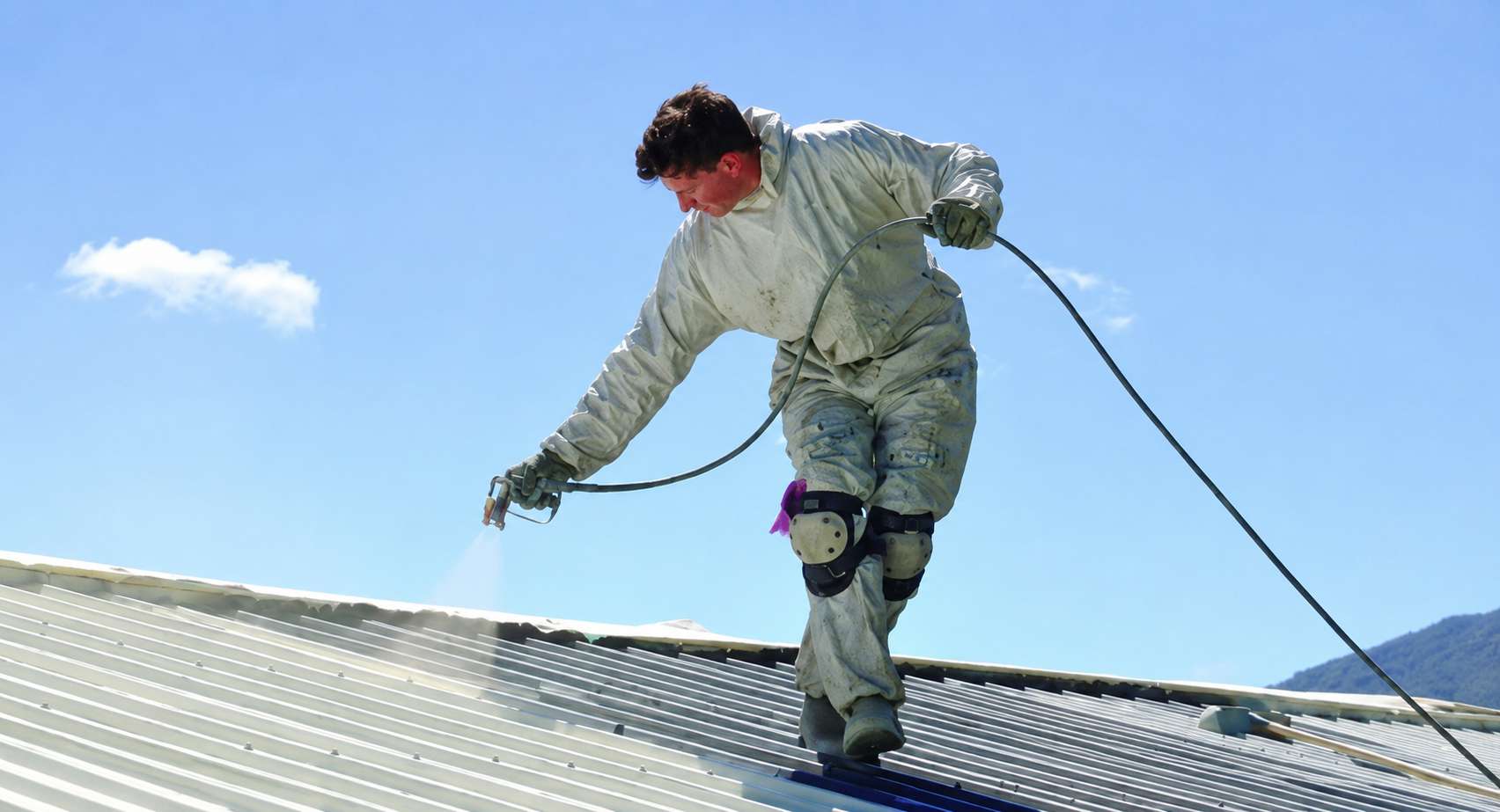
It can be manufactured in different forms and easily applied through spraying, casting, or coating methods.
What Are Polyurethane Coating Materials?
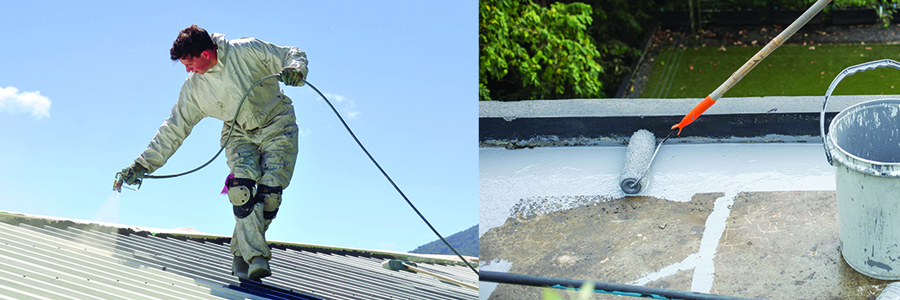
Polyurethane coating is applied to protect surfaces from external factors and enhance mechanical durability. Liquid polyurethane resin is applied to a surface and, once cured, forms a durable film layer that improves both the aesthetic appearance and structural performance.
- Polyurethane Flooring Systems
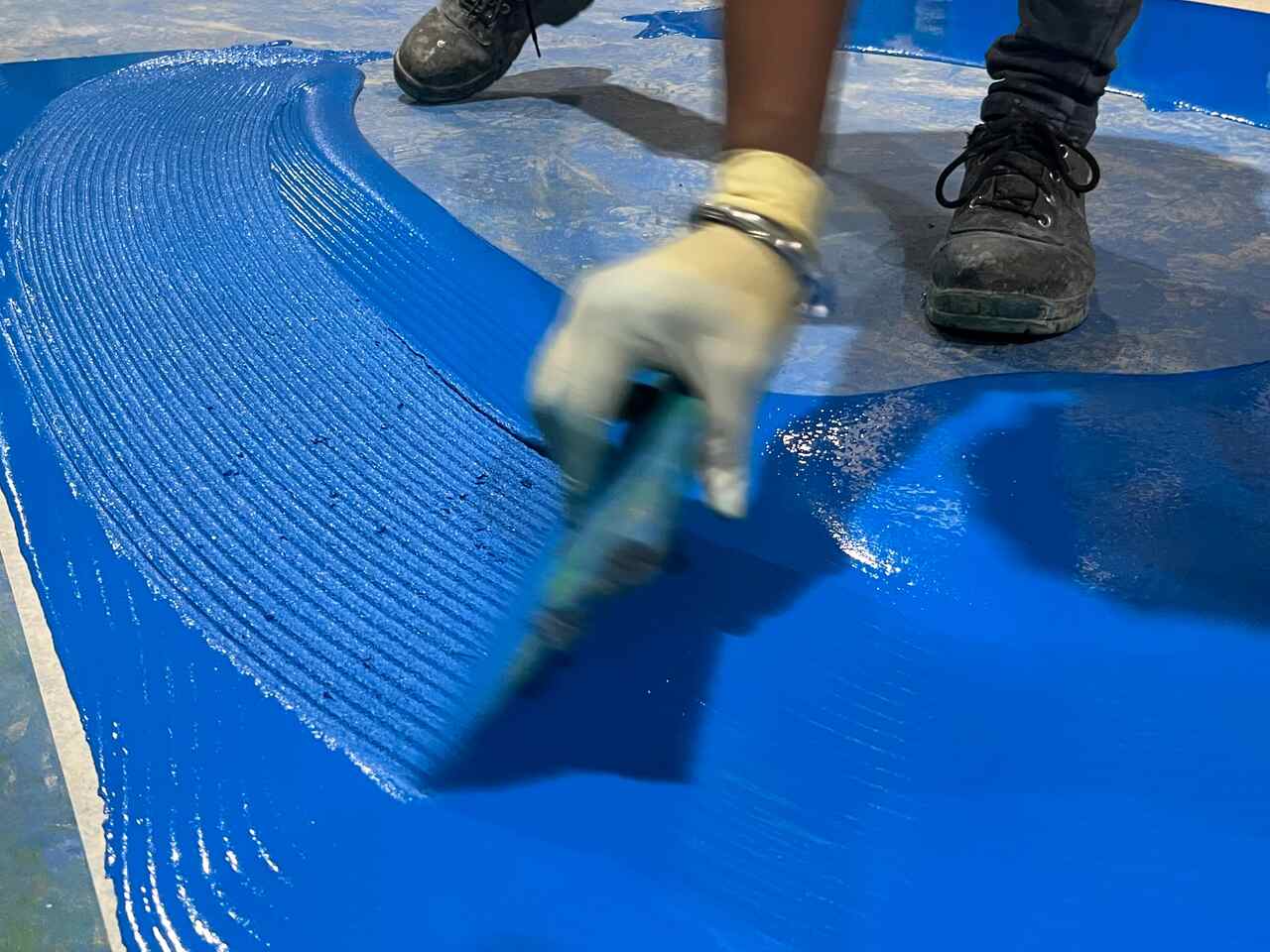
Polyurethane flooring systems are widely used in industrial floors, parking areas, warehouses, and factories. These systems increase surface durability by providing high resistance to abrasion and impact. They can also be applied in various colors, textures, and finishes to enhance decorative appeal.
- Polyurethane Waterproofing Coatings
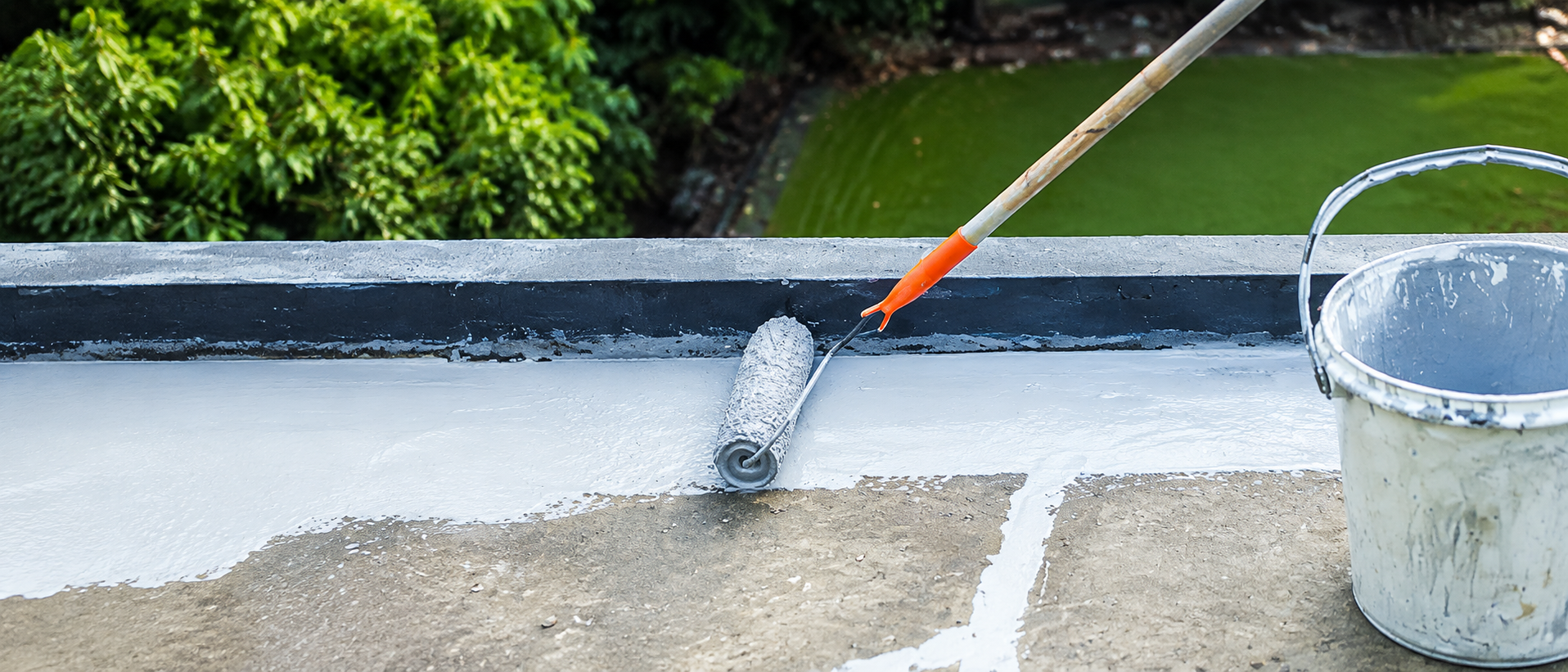
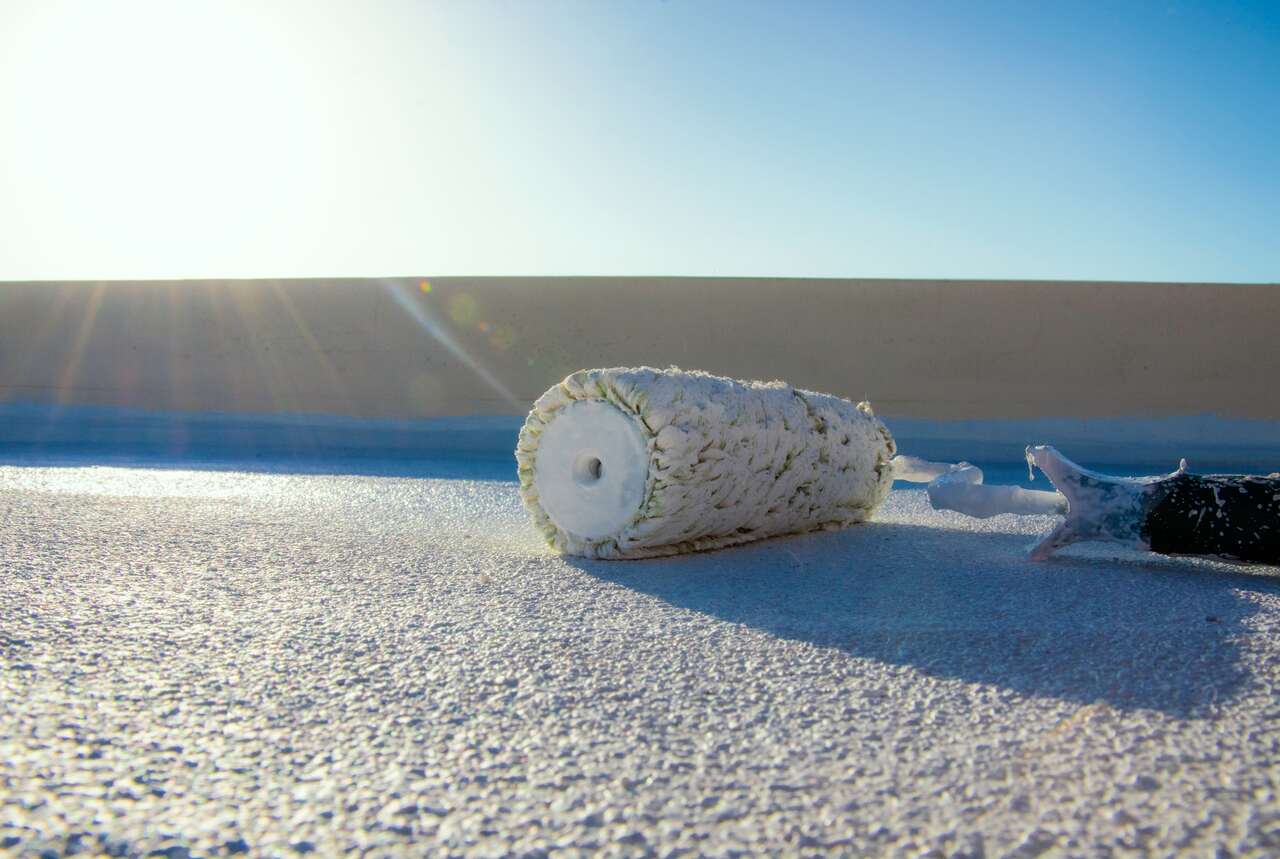
Polyurethane waterproofing coatings belong to the liquid membrane product group and are commonly used on roofs, terraces, foundations, and wet areas. These coatings form a seamless and elastic layer on the surface.
- Other Polyurethane Coating Types
Other polyurethane based coating materials include elastomeric coatings, protective paints, and joint fillers, all designed to enhance durability and surface protection.
For more detailed information on polyurethane waterproofing products, you can read our article titled Polyurethane Waterproofing Materials.
In Which Industries Is Polyurethane Used?
Polyurethane has a wide range of applications across different industries.
Construction and Building Sector
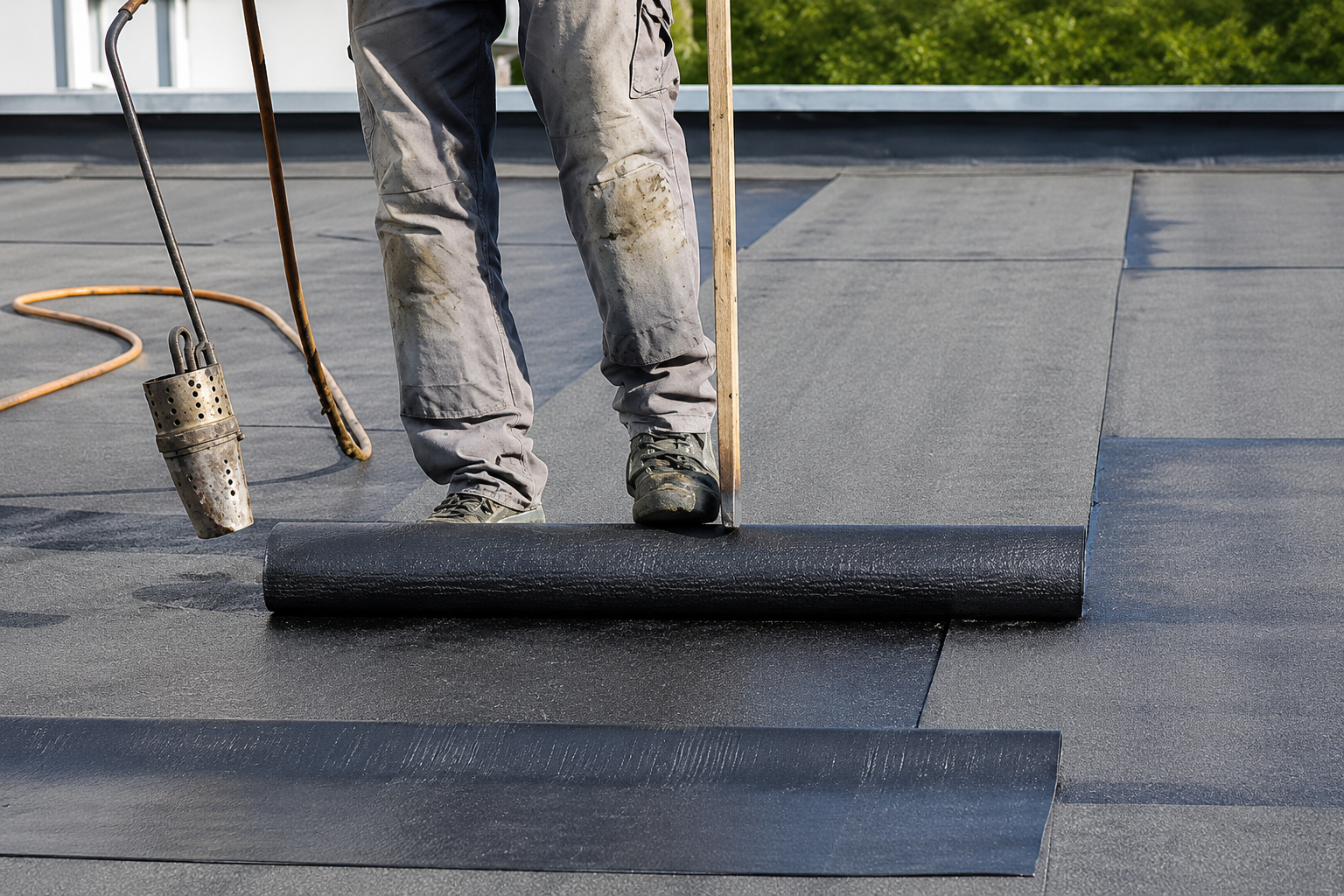
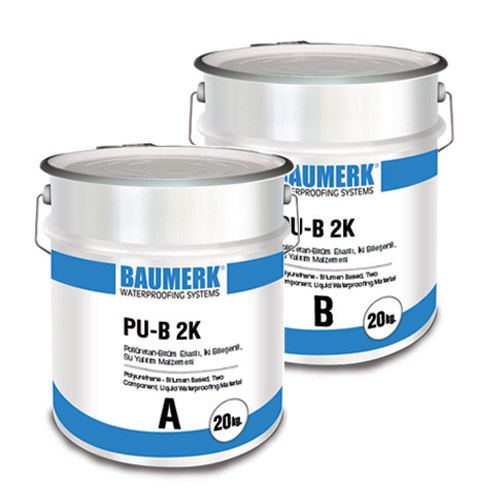
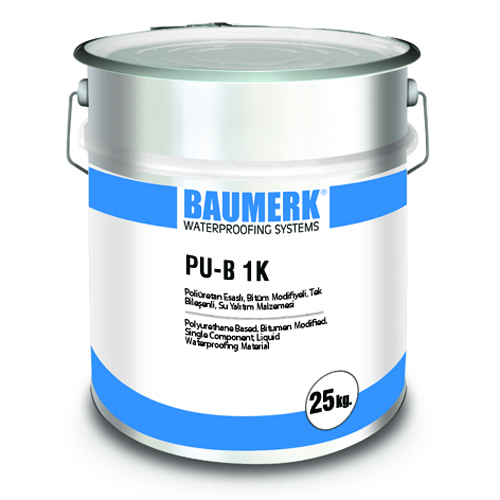
Polyurethane is one of the materials used in insulation and coating applications within the construction and building sector. It is used in roofs, walls, foundations, and flooring systems for thermal, acoustic, and waterproofing purposes. In addition, polyurethane foam provides gap filling and thermal insulation, while polyurethane coatings effectively protect surfaces against external factors. For example, Baumerk’s Polyurethane-Based, Single-Component Waterproofing Material- PU-B 1K is a representative polyurethane product used in waterproofing applications.
Home Appliances and Furniture Manufacturing
Flexible polyurethane foam is used in the production of sofas, mattresses, cushions, and seating systems, improving comfort and durability. Rigid polyurethane foam is used in refrigerators, freezers, and water heaters to enhance thermal insulation and energy efficiency.
Industrial Flooring Systems
Polyurethane based flooring is applied in factories, warehouses, parking areas, and production facilities, improving resistance to impact, abrasion, and chemicals.
Packaging Industry
Polyurethane is used as protective foam packaging, ensuring the safe transport of sensitive products such as electronics, glass, medical equipment, and automotive components.
Healthcare and Medical Sector
Polyurethane materials are used in orthopedic support products, medical mattresses, and rehabilitation equipment, offering improved comfort and hygiene.
Automotive Industry
Polyurethane is widely used in vehicle interiors and components such as seat cushions, interior trims, insulation panels, bumper cores, and sealing elements. Its lightweight structure contributes to improved fuel efficiency.
In addition to these sectors, polyurethane is also used in aerospace, marine, footwear manufacturing, and electrical and electronics industries. With its durability, flexibility, and high performance, polyurethane has become an essential material in modern industrial applications.
In summary, polyurethane stands out as a high performance and versatile material, offering durability, flexibility, and strong resistance across different conditions. Overall, it plays a key role in modern industries by delivering the desired surface performance through its insulation and protective functions. You can visit our blog to learn more about various topics related to construction chemicals.